The best case for B450 Tomahawk Max is a roomy airflow ATX mid-tower.
You want a cool, quiet PC that is easy to build and easy to upgrade. But the wrong case can make the MSI B450 Tomahawk Max feel cramped, hot, and loud. You also want clean cable runs, good fan support, and front I/O that fits your board. I have built with this motherboard many times. I know what works and what fails. In this guide, I break down the best case for b450 tomahawk max by size, airflow, and budget. I also share real build tips that save time and stress.
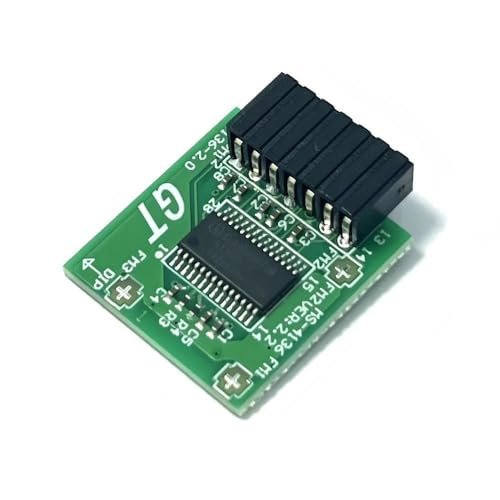
IFIXAI TPM 2.0 Module for MSI B450 Series

This IFIXAI TPM 2.0 LPC module plugs into the MSI B450 Tomahawk Max and related MSI B450 boards. It uses the JTPM1 14-pin header type that these motherboards offer. Install is quick. You press the module into the keyed header, secure the case, and enable TPM in BIOS. If you need Windows 11 with hardware TPM, this is a clean path.
Many MSI B450 users already use AMD fTPM 2.0 in BIOS. That works fine for most users. Yet some people prefer a discrete TPM for compliance or peace of mind. This module helps those users. It keeps your system simple. It also avoids fTPM changes when you clear CMOS or flash a BIOS.
Pros:
- Matches MSI 14-pin JTPM1 headers on B450 Tomahawk Max
- Fast install with clear pin keying
- Enables Windows 11 hardware TPM 2.0 support
- Good for BitLocker and business use
- Compact module with no cable mess
- Works even if you disable fTPM in BIOS
- Useful on refurb or resale builds
Cons:
- Not required for most home users due to fTPM 2.0
- Must match MSI’s 14-pin layout; not universal
- Stock can vary and prices can swing
My Recommendation
If you build a system for work or school, this module is ideal. It suits users who run BitLocker or need hardware TPM for audits. It is also smart for techs who manage many MSI B450 systems. Install it once and move on. No BIOS fTPM confusion in the field.
If you only game, you may not need it. Your MSI B450 Tomahawk Max supports fTPM 2.0 with a BIOS update. Still, if you want set-and-forget stability, this is a fair buy. It pairs well with the best case for b450 tomahawk max. A good case keeps airflow strong. A secure TPM keeps data safe.
| Best for | Why |
|---|---|
| BitLocker and compliance | Hardware TPM 2.0 meets policy and helps audits |
| Windows 11 on older builds | Simple way to meet TPM 2.0 needs without fTPM |
| Refurb and resale PCs | Clear security feature and easy documentation |
How to choose the best case for B450 Tomahawk Max
The MSI B450 Tomahawk Max is a full-size ATX board. It needs a case that supports ATX. Look for strong airflow, smart cable paths, and room for your GPU and cooler. Good filters keep dust out. Good fans move heat out. Front mesh helps both.
Plan your build first. Measure the GPU. Check the cooler height. Check radiator size if you use AIO. Pick a case with clean front intake and direct paths to the CPU and GPU. Side vents help. A solid front hurts airflow unless it has big side vents.
Front I/O matters. The B450 Tomahawk Max has USB 3.0 via a 19-pin header but no native USB-C header. Choose a case with USB-A ports that match. If you want USB-C on the front, you can add a PCIe adapter later. Keep it simple for now.
Cable management saves time. You want 20 to 25 mm behind the tray at least. You want tie-downs and a deep PSU shroud. That hides cables. It makes upgrades easy. Choose a case with long GPU support if you run new cards.
What “best case for b450 tomahawk max” means in practice
The best case for b450 tomahawk max must fit ATX. It should cool Ryzen chips well. It should fit tall air coolers and long GPUs. It should be easy to work in. It should offer dust filters, proper fan mounts, and clean front I/O.
Airflow beats looks in most builds. A mesh front with two or three 140 mm fans wins on temps. A glass front can still work with side vents and strong fans. Choose quiet fans with fluid bearings. They last and make less noise. Your ears will thank you.
Think about upgrades. You may swap a CPU, GPU, or cooler later. A roomy case makes that easy. Good cases last for years. Your B450 board can move to a new platform later if the case is still fine. That is true value.
Case sizes and fit for the MSI B450 Tomahawk Max
Pick an ATX mid-tower that supports ATX motherboards. Avoid micro-ATX only cases. They will not fit. Full towers are fine too but larger than needed. An ATX mid-tower keeps the balance of space and size.
GPU length varies. Many cards are long and thick. Check your GPU length and thickness. Check the case spec for GPU clearance with front fans and a possible radiator. Leave extra room for cables and airflow.
CPU cooler height matters. Many good air coolers are 155 to 170 mm tall. Make sure the case supports 165 mm or more if you use a big tower cooler. If you use a 240 mm or 360 mm AIO, check front or top mount support and RAM clearance.
Airflow vs silence with Ryzen on B450
Ryzen runs well with good airflow. The VRM on the B450 Tomahawk Max is decent. It likes a steady front intake and a top or rear exhaust. Mesh cases help a lot here. You can set a gentle fan curve for low noise.
Silent cases use sound-damp panels. They can run warm. Use more intake fans to help. Keep the front filter clean. If you choose silence, pick a case with side intake slots that are not restrictive. Heat has to go somewhere.
I like a simple setup. Two 140 mm fans at the front, one 120 mm at the rear. Add one 140 mm at the top if you use a mid to high-end GPU. That keeps temps in check. It also stays quiet with low RPM.
Front I/O and internal headers that match
The MSI B450 Tomahawk Max has these handy headers: USB 3.0 for front USB-A, USB 2.0 for accessories, and audio. It does not have a native USB-C front panel header. That is normal on older boards. So the best case for b450 tomahawk max should focus on USB-A ports on the front.
You can still get front USB-C with a PCIe card and an internal converter. That adds cost and setup time. If you want a simple build, stick to front USB-A. Most cases offer two ports. Some offer four. Check your needs.
Also check the number of fan headers on the board. Use a PWM splitter hub if you need more. Many cases include a simple fan hub. That helps keep wires tidy and control easy.
Radiator and fan layouts that work
If you go with an AIO, a 240 mm or 280 mm front mount is simple and effective. Many ATX mid-towers support top mounts too. But top mounts can run into RAM or VRM heatsinks on older boards. Measure twice.
For air coolers, choose a high airflow path. Front intake fans should line up with the CPU and GPU zones. Leave the top for exhaust if you use tall RAM. Use low-turbulence fans. That keeps noise down while moving air well.
Balance pressure. Slight positive pressure helps with dust. More intake than exhaust works well. Keep filters on intakes. Clean them every few weeks. Your system will stay cleaner and cooler.
Cable management made easy
The best case for b450 tomahawk max has a deep cable channel and Velcro straps. This saves time. It also improves airflow. Tidy cables do not block the front-to-back path that cools the VRM and CPU.
A full PSU shroud helps. You can hide extra cables and drives. Modular PSUs make builds even cleaner. Plan your cable runs before you mount the board. It is easier to route big 24-pin and 8-pin cables first.
Use short cable ties and side channels. Keep fan and RGB wires grouped. Label fan headers on the board with small tape if you need. Future work will be simple and fast.
Common mistakes with cases and how to avoid them
Do not buy a micro-ATX case for an ATX board. It will not fit. Read the spec sheet. Watch for front panels that choke air. Pretty glass can hide a weak intake. Look for mesh and open vents.
Check cooler height. If you use a tall air cooler, make sure it fits the side glass. Do not rely on guesses. Measure or check the case limit in millimeters.
Manage cables early. Do not stuff cables after the board is in. Run the 8-pin CPU cable first. It is hard to add later. Use the right fan screws. Do not overtighten to avoid stripping plastic frames.
Example case choices that fit well
I like airflow-focused ATX mid-towers. The Corsair 4000D Airflow is a steady pick. It offers mesh intake, nice cable channels, and a clean look. The Fractal Meshify 2 Compact is also strong. It has great build quality and smart panels.
The be quiet! Pure Base 500DX gives a smooth noise profile and strong intake. It is a joy to build in. The Lian Li Lancool 205 Mesh is a solid budget choice with good thermals. The Phanteks P360A offers strong value and front mesh with fine filters.
Each of these cases supports ATX and good GPU length. They also offer easy cable management. They are safe picks if you want the best case for b450 tomahawk max with low hassle. Always match your GPU and cooler specs before you click buy.
Thermals explained in simple terms
Air wants a clear path. Cool air comes in from the front and bottom. Hot air leaves from the back and top. Fans help that flow. Mesh fronts reduce pressure loss. That means the fans can breathe and run slower.
Big fans move more air at lower speeds. That helps noise. A 140 mm fan at 800 RPM moves a lot of air softly. A small fan at high RPM gets loud. It is a leaf blower vs a ceiling fan. Choose bigger, slower, and smarter.
Heat soak is real. If you game for hours, heat builds up. A case with more intake area beats a tight panel. Keep the dust filters clean. That keeps your temps steady over time.
Acoustics and dust control
Every fan makes noise. The goal is smooth, low noise. Ringless blades, rubber corners, and fluid bearings help. Your motherboard can control fan speed with PWM curves. Set low at idle, higher for load. Test and tune.
Dust is a slow killer. It clogs fins and raises temps. Use filters on all intakes. Check the front, bottom, and top. Slide-out filters are easiest to clean. The best case for b450 tomahawk max includes easy-access filters.
Positive pressure helps dust control. More intake than exhaust pulls less dust through cracks. Keep your desk and room clean too. It all adds up.
Value by budget tier
On a tight budget, a mesh front ATX case with two 120 mm fans is fine. Add one more rear fan and you are set. Spend a little more and you get better steel, better fans, and nicer cable paths. That saves time and trouble.
Mid-tier cases shine. They blend airflow, looks, and features. You get USB 3.0 front I/O, a PSU shroud, and deep cable space. Top-tier adds modular frames and glass. Those are nice to have, not need to have.
Remember that a good case lasts across builds. You can reuse it for future platforms. The best case for b450 tomahawk max today can be the best case for your next board too. Buy once. Enjoy for years.
Compatibility checklist for the MSI B450 Tomahawk Max
- ATX motherboard support with nine standoff points
- GPU clearance: check your card length plus cable room
- CPU cooler height: aim for 165 mm or more for big towers
- Radiator support: front 240/280/360 mm is safest
- Front I/O: at least two USB-A ports via 19-pin header
- Drive bays: match 2.5 inch and 3.5 inch needs
- Cable space: 20–25 mm behind the tray is ideal
- Dust filters: front, PSU, and top if used for intake
Build flow tips I use
Install standoffs and I/O shield first. Test fit the motherboard. Route the 8-pin CPU cable before the board goes in. Mount fans and set the front intake path before adding the GPU.
Install the PSU next. Leave cables long enough to route cleanly. Plug front panel connectors with care. The MSI B450 Tomahawk Max labels are clear. Use the manual if you need a quick check.
Run a quick POST test outside the case if parts are new. If you are confident, go ahead and build inside. Keep a flashlight and small zip ties handy. Little tools save big time.
When the case and board do not play nice
Sometimes the top radiator hits the VRM heatsink. Move the radiator to the front. Turn the fans to pull cool air in. Use a rear and top exhaust to push heat out.
If the GPU sags, use a support bracket or the case’s built-in brace. If the front panel cables are short, re-route or use an extender. If the glass hits your cooler, switch to a lower-profile fan on the cooler front.
Plan. Measure. Adjust. Small changes fix most issues. That is how I keep builds smooth and stress-free.
Real-world setups that work well
Air cooler build: Use a 165 mm tower cooler, two 140 mm front intake fans, one 120 mm rear exhaust. Many ATX mesh cases support this. It is quiet and cool. It fits the MSI B450 Tomahawk Max without drama.
AIO build: Use a 240 mm or 280 mm front AIO. Set fans to intake. Use a rear and top exhaust. This keeps GPU temps stable and CPU temps low. It works across many games and workloads.
Compact GPU build: Use a shorter dual-fan GPU. Place two 120 mm front intakes and one 120 mm rear exhaust. This keeps noise low. It is a clean fit in most budget ATX cases. You still get a smooth gaming experience.
Why airflow-first still wins
The best case for b450 tomahawk max must move air well. That keeps VRM temps safe. It extends the life of your parts. It also makes your fan curve gentle. Mesh plus good fans equals a happy PC.
RGB is fine. But airflow is the base. You can add lights later. You cannot add more vents to a closed front. Choose the airflow base now. Enjoy the rest later.
Good airflow lets you run in turbo without the roar. It is like cruising on a breezy day. Your system breathes, and it shows in the numbers and the feel.
Motherboard features that shape your case pick
The MSI B450 Tomahawk Max has a big heatsink near the rear I/O. That area needs space for top fans or radiators. A tall case helps. The board uses a 24-pin and an 8-pin CPU power. Make sure the top cable path is open.
It also has two M.2 mounts on later BIOS revisions and SATA ports on the edge. Keep front cables neat so they do not block airflow. Use right-angle SATA if space is tight. That makes the edge clean.
If you plan to add a TPM module like the IFIXAI, mount it before you seat big GPUs. The header is easy to reach with the board open. It is harder later when the case is packed.
Air vs liquid cooling on this platform
Both work well. Air coolers are simple, safe, and quiet when large. Liquid coolers help with small cases or high boost CPU loads. But they do add pumps, tubes, and extra steps.
For a Ryzen 5 or 7 on B450, a good 160–170 mm air cooler is plenty. If you push heavy AVX loads or long renders, a 240 mm AIO helps. The best case for b450 tomahawk max will fit both. Keep that option open if you can.
Always check RAM height with tall air coolers. Low-profile RAM avoids clashes. Most modern coolers offset the first fan. Read the spec sheet before you buy.
Safety, ESD, and simple care
Use a grounded outlet and a surge protector. Touch the case frame to discharge before you handle parts. Do not rush. Tighten screws firm but not hard.
Keep the case off carpet. Carpet feeds dust into your PSU. A small stand or hard mat helps. Clean filters monthly. Use canned air for fins and fans. Hold blades still as you clean to protect bearings.
These small habits keep your build strong. They also keep temps and noise in control. It is easy and worth it.
Buying checklist when you are ready
- ATX support with mesh front and at least two 140 mm fan mounts
- GPU length support that beats your card by 20–30 mm
- CPU cooler clearance at 165 mm or higher
- Front I/O: two USB-A, audio, and a firm power button
- Filters on front and PSU; bonus if the top has a filter
- Tool-less side panels and a PSU shroud
- Velcro straps and 20+ mm cable room
Why this matters even years later
A good case outlives platforms. You might upgrade from B450 someday. Your case can stay. That saves money and time. It also keeps your desk setup familiar.
The best case for b450 tomahawk max is not trendy. It is smart. It has airflow, quality steel, and clean serviceability. It stands the test of time. That is why I still pick airflow-first ATX mid-towers for this board.
Add a TPM module if you need it. Add fans if you upgrade your GPU. The base stays the same. The case earns its keep day after day.
Scenario-based picks to guide you
Small room, hot climate: Choose a mesh front with three front 140 mm fans. Keep fan curves low and steady. Clean filters often. This keeps noise low and temps under control.
Desk space tight: Choose a compact ATX mid-tower with smart cable paths. Use a 240 mm AIO front mount to save top space. Route cables behind the tray with Velcro straps.
Work and game mix: Choose a case with easy front I/O and dust filters. Add the IFIXAI TPM module if you need BitLocker. Use two front 140 mm fans and one rear 120 mm. Enjoy a quiet, secure PC.
Extra features that are nice to have
Removable front panels make cleaning easy. Hinged glass saves time. A fan hub on the back of the tray cleans up wires. A GPU support arm prevents sag. These are simple touches. They improve daily use.
A vertical GPU option is fun. It needs a riser cable and airflow space. Check the gap to the glass. It can run warm if too close. It is more for looks than temps.
Tool-less drive trays and captive thumbscrews help too. They speed up builds. They also prevent lost screws. Little things add up to a smooth build day.
Cost of ownership
Cases use fans. Fans wear. Good fans last years. Cheap fans can click or whine. Buy better fans once if your case includes weak stock fans. They lower noise and temps at the same time.
Dust filters save parts. They also save cleaning time. A washable filter pays for itself in less work. You will like the clean look inside your glass.
Good steel and paint prevent scratches and bends. Doors that fit well stay quiet. They do not buzz. They do not rattle. The best case for b450 tomahawk max will feel solid in your hands.
Upgrade paths and future use
Maybe you add a bigger GPU next year. Maybe you add more SSDs. A roomy case absorbs those changes. You do not need to rebuild the whole PC.
If you swap to a new platform later, you only change the board, CPU, and RAM. The case, fans, and PSU stay. That keeps costs low and upgrade time short. It is a smart plan.
Your case is the stage for your hardware. Choose a stage that fits now and later. That is how you get real value.
FAQs Of best case for b450 tomahawk max
Does the MSI B450 Tomahawk Max need an ATX case?
Yes. It is an ATX board. Use an ATX mid-tower or larger case that supports ATX.
Should I pick mesh or glass front for this board?
Pick mesh for better airflow. It keeps VRM, CPU, and GPU temps lower and noise down.
What fan layout works best?
Two 140 mm front intake and one 120 mm rear exhaust is a great start. Add a top exhaust if needed.
Do I need a TPM 2.0 module for Windows 11?
Most users can enable AMD fTPM 2.0 in BIOS. A discrete module helps if you need hardware TPM for policy.
Can I use a 360 mm radiator?
Many ATX mid-towers support a 360 mm front radiator. Check your case specs for clearance.
Final Verdict: Which Should You Buy?
The best case for b450 tomahawk max is a mesh-front ATX mid-tower with room for tall coolers and long GPUs. It makes builds easy. It keeps temps and noise in check.
If you need hardware security, the IFIXAI TPM 2.0 module is a simple add-on for the MSI B450 series. Pick smart airflow first. Add TPM if your work or policy calls for it.