
Merriam-Webster Collegiate (11th) is the best all-around for college students.
You juggle lectures, labs, essays, and group chats. You need fast clarity when a professor drops a term like “hermeneutics” or “epistemology,” and you need it right now. That’s why the best dictionary for college students isn’t just about definitions. It’s about speed, precision, and support for your major. In this guide, I break down the best print picks for 2026, explain who each is for, and help you pair them with digital habits that save time. I’ve tested these across real study sessions, writing sprints, and exam prep so you can buy with confidence.
Webster’s Dictionary for Students (6th Ed.)

This compact student dictionary focuses on clear, simple definitions. It is built to reduce confusion and speed up lookup time. The layout is clean, and pronunciation guides are easy to follow. It is ideal if you want straightforward meanings without the fluff.
It is not an advanced collegiate tome, but it shines for quick checks. ESL learners and first-year students will like the plain language. It travels light in a backpack and survives daily use. For core vocabulary, it does the job with minimal stress.
Pros:
- Very clear, simple definitions
- Lightweight and easy to carry
- Clean layout improves scan speed
- Helpful pronunciation guides
- Budget-friendly for tight student wallets
Cons:
- Not deep enough for advanced majors
- Limited coverage of technical terms
- Fewer example sentences
My Recommendation
If you are new to academic English or you want a no-stress starter, this is a safe pick. It works best when paired with a deeper source for research papers. I see it as a “clarity first” tool while you build your library. For some freshmen, it can be the best dictionary for college students because it keeps reading simple and quick.
| Best for | Why |
|---|---|
| ESL or multilingual students | Plain, direct definitions reduce confusion |
| Freshmen in Gen Ed courses | Covers core vocabulary with ease |
| Budget buyers | Low price, durable design |
Merriam-Webster Pocket Dictionary (Newest)

This pocket dictionary is built for speed and size. It slides into a hoodie pocket or a small sling bag. You get essential definitions, concise parts of speech, and clear pronunciations. The coverage is surprisingly strong for its footprint.
It will not replace a full collegiate volume, but it will save you in class. When Wi‑Fi drops or phones must stay away, this little book steps up. It is an easy win for on-the-go students. If you crave portable backup, this one makes sense.
Pros:
- Ultra portable for campus life
- Fast lookups with minimal page clutter
- Trusted Merriam-Webster headwords
- Durable flexi paperback cover
- Great value for the size
Cons:
- Limited word count vs. full dictionaries
- Fewer usage notes and examples
- Small text can be hard for tired eyes
My Recommendation
If you walk to class and travel light, this is a strong companion. It is not the best dictionary for college students for research depth, but it is the best for fast grabs and lecture moments. Keep it in your bag even when you rely on apps. Redundancy beats panic when you need a definition in a quiet room.
| Best for | Why |
|---|---|
| Students on the move | Fits everywhere and opens fast |
| Exam rooms and lectures | Quiet, offline, no notifications |
| Note-takers | Quick checks while annotating texts |
Merriam-Webster Everyday Language Set

This trio bundles a dictionary, a thesaurus, and a vocabulary builder. It turns your desk into a language lab. You can check meanings, find better words, and grow your word bank. It is a smart, one-and-done gift for incoming students.
The vocabulary builder adds structure to learning. Short lessons keep your brain engaged without burnout. Pair that with the thesaurus for cleaner, sharper writing. For essays and applications, this set pulls more weight than a lone book.
Pros:
- Three books cover meaning, synonyms, and growth
- Great for writing courses and test prep
- Clear layout across all volumes
- More value than buying separately
- Supports daily practice, not just lookup
Cons:
- Takes up more space on a small desk
- Heavier than a single-volume option
- Requires routine use to see gains
My Recommendation
For composition classes, internships, and grad school prep, this set shines. It may be the best dictionary for college students who want a full language system. You get the words, the choices, and the training program. In 2026, that mix still beats scattered tabs on a browser.
| Best for | Why |
|---|---|
| Essay-heavy majors | Dictionary + thesaurus = stronger drafts |
| Test prep (GRE, LSAT) | Vocabulary builder supports retention |
| Scholarship applicants | Sharper language improves statements |
The Merriam-Webster Dictionary (Mass Market)

This mass-market paperback offers a solid core of up-to-date definitions. It is a budget way to keep reliable guidance at hand. The paper is thin yet readable, and the type stays neat even late at night. For many students, this is the first serious dictionary they own.
It will not include every new slang term, but it covers academic basics well. It helps you avoid word misuse in discussions and papers. I like it for dorm rooms and shared study spaces. It is simple, steady, and affordable.
Pros:
- Excellent price-to-value ratio
- Trusted Merriam-Webster authority
- Balanced coverage for general study
- Light and easy to carry between classes
- Great “first dictionary” for college
Cons:
- Fewer etymologies and notes than premium editions
- Paperback durability is average
- Less depth on specialized terms
My Recommendation
If money is tight and you want dependable basics, choose this. It is not the absolute best dictionary for college students for depth, but it is the best low-cost safety net. It guards against wrong word choices, which professors notice fast. Use it daily, and your writing will tighten up.
| Best for | Why |
|---|---|
| Budget-conscious students | Hard to beat the price for the coverage |
| Dorm use | Shared, general-use resource for roommates |
| Essay starters | Reliable for core academic words |
The Well-Spoken Thesaurus

This is not a standard dictionary. It is a smart thesaurus that suggests better ways to say common phrases. Think of it as a style coach for your papers and presentations. It helps you sound precise without sounding stiff.
The entries are practical, with clear examples. It feels like guidance from a good writing tutor. I recommend pairing this with a regular dictionary. Together, they can act like the best dictionary for college students who want to level up voice and tone.
Pros:
- Upgrades everyday wording fast
- Great for speeches and slides
- Teaches nuance without jargon
- Useful examples for academic tone
- Pairs well with any dictionary
Cons:
- Not for basic definitions
- Some suggestions may feel advanced at first
My Recommendation
Use this to polish essays, cover letters, and capstone projects. It is not the best dictionary for college students as a standalone, but it is the best sidekick. You will write cleaner sentences and hit the right tone more often. That matters when grades hinge on clarity.
| Best for | Why |
|---|---|
| Writing-heavy majors | Boosts clarity and sophistication |
| Presenters | Finds precise phrases for slides |
| Career prep | Improves resumes and statements |
Merriam-Webster Collegiate Dictionary (11th)

This is the gold standard on U.S. campuses. It blends depth, clarity, and strong usage notes. You get etymologies, variant spellings, and helpful example phrases. The laminated hardcover stands up to heavy use across many semesters.
For 2026, I still consider this the top print pick. It handles academic language across majors, from philosophy to biology. You can trust it when accuracy matters in citations and exams. If you only buy one, buy this.
Pros:
- Deep, authoritative coverage
- Excellent usage notes and examples
- Durable, study-proof hardcover
- Clear pronunciations and variant spellings
- Ideal balance of detail and speed
Cons:
- Heavier than pocket or mass-market options
- Costs more than entry-level choices
- Overkill for casual users
My Recommendation
This is the best dictionary for college students overall. It meets the needs of liberal arts, STEM, and everything between. It is the one volume I trust to sit on any dorm desk and never be outgrown. If you want one purchase to last all four years, this is it.
| Best for | Why |
|---|---|
| All-around academic use | Depth plus clarity across disciplines |
| Long-term ownership | Hardcover durability and timeless content |
| Serious writers | Strong usage notes support style |
Merriam-Webster Word-for-Word Spanish-English
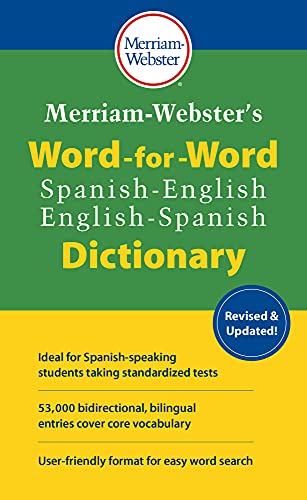
This bilingual dictionary focuses on direct translations. It is ideal for quick checks during Spanish classes. The layout helps you jump between languages fast. It keeps explanations short so you do not lose your train of thought.
It is not a cultural guide or phrasebook, but it covers common academic terms. For essays and quizzes, it saves time and protects accuracy. It is slim enough for any backpack. As a support tool, it fits neatly beside your main dictionary.
Pros:
- Fast, word-for-word translations
- Clear, organized headwords
- Portable size for class use
- Trusted Merriam-Webster build quality
- Good for introductory and intermediate levels
Cons:
- Not rich in cultural notes or idioms
- Less helpful for advanced literature courses
My Recommendation
For Spanish minors and Gen Ed language courses, this is a practical pick. It is not the best dictionary for college students in general, but it is the best quick translator for Spanish-English lookup. Use it to speed through exercises and to confirm core meanings. Pair with class notes for best results.
| Best for | Why |
|---|---|
| Spanish 101–202 students | Fast lookups during homework |
| Bilingual note-takers | Direct translations aid memory |
| Study abroad prep | Compact and easy to pack |
Bantam New College Latin & English

If you take Latin, you need clear principal parts and concise glosses. This Bantam classic does both. It strikes a balance between portability and coverage. You can carry it to class without feeling weighed down.
Entries are easy to scan, which matters when you grind through lines of text. It is not a deep lexicon, but it works for coursework up to intermediate levels. For translations and quick parsing, it keeps you moving. I like it as a dependable companion to your grammar text.
Pros:
- Clear principal parts for verbs
- Great for coursework and quizzes
- Portable size for daily use
- Clean, readable formatting
- Budget-friendly for classics students
Cons:
- Not exhaustive for advanced texts
- Limited examples of idiomatic usage
My Recommendation
Classics majors and pre-law students who study Latin will find this efficient. It is not the best dictionary for college students universally, but it is perfect for Latin 101–302. It offers enough coverage to support fast homework and exam prep. Keep it in your bag for recitations.
| Best for | Why |
|---|---|
| Latin coursework | Quick principal parts and glosses |
| Mid-level readers | Adequate depth without bulk |
| Budget buyers | Good value per page |
Bantam New College Spanish & English

This Spanish-English classic is compact and classroom-ready. It delivers a strong range of everyday and academic terms. The entries are organized for fast switching between languages. The size is right for small desks and tight bags.
It is not a phrasebook, and it does not chase slang. But for core word study, it is steady and reliable. It supports reading assignments and quick writing checks. If you want a simple, portable helper, it works well.
Pros:
- Efficient bilingual layout
- Good coverage for class and homework
- Easy to carry all day
- Clear type and headings
- Affordable for most students
Cons:
- Not rich in idioms or usage notes
- Limited advanced vocabulary
My Recommendation
Pick this for Spanish courses where speed matters. It is not the best dictionary for college students who need deep cultural notes, but it is the best quick reference for clean translations. It complements your textbook and keeps you moving through drills. For many students, it is all they need.
| Best for | Why |
|---|---|
| Intro to intermediate Spanish | Fast bilingual lookups |
| Commuter students | Portable and durable |
| Budget-conscious learners | Strong value for cost |
Merriam-Webster Medical Dictionary (Newest)
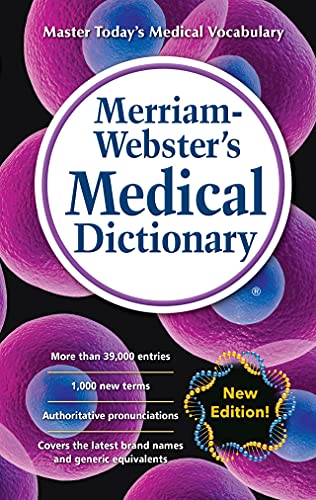
Pre-med, nursing, and allied health students need precise medical terms. This mass-market edition hits the essentials. Definitions are clear and concise, with reliable pronunciations. It fits easily in clinical bags and study totes.
It will not match giant medical tomes, but it covers what you need for undergrad. Use it for anatomy, physiology, and intro clinical courses. When you meet a new pathology term, it is there for you. It keeps medical language from feeling overwhelming.
Pros:
- Focused medical vocabulary
- Clear, concise definitions
- Portable size for labs and clinics
- Strong pronunciations for hard terms
- Excellent value for early healthcare tracks
Cons:
- Not comprehensive for advanced med school
- Fewer diagrams than larger references
My Recommendation
If your degree touches healthcare, get this early. It is not the best dictionary for college students across all majors, but for pre-med and nursing it is a workhorse. It helps with lab write-ups, class prep, and clinical clarity. Keep it on your desk next to your anatomy atlas.
| Best for | Why |
|---|---|
| Pre-med and nursing students | Targeted coverage for coursework |
| Lab and clinical days | Portable, fast reference |
| Entry-level healthcare programs | Affordable and practical |
FAQs Of best dictionary for college students
Which dictionary is best for most college majors?
Merriam-Webster’s Collegiate Dictionary (11th) is the best all-around choice. It balances depth, clarity, and durability for daily study.
Should I buy a print dictionary if I already use apps?
Yes. A print copy is faster for focused study and works offline. It also reduces screen fatigue and distractions.
What is the best budget option?
The Merriam-Webster mass-market paperback offers strong coverage at a low price. It is a great starter pick.
Do I need a thesaurus too?
If you write a lot, yes. The Well-Spoken Thesaurus improves tone and precision in essays and presentations.
Which dictionary works for pre-med or nursing?
Merriam-Webster’s Medical Dictionary covers key terms for labs and intro courses. It is portable and clear.
Final Verdict: Which Should You Buy?
If you want one book that can carry you through college, choose Merriam-Webster’s Collegiate Dictionary (11th). It remains the best dictionary for college students for depth, usage notes, and long-term value.
Writers should add The Well-Spoken Thesaurus. Language learners can pair a bilingual volume. With these, you cover clarity, style, and speed—everything the best dictionary for college students should deliver.