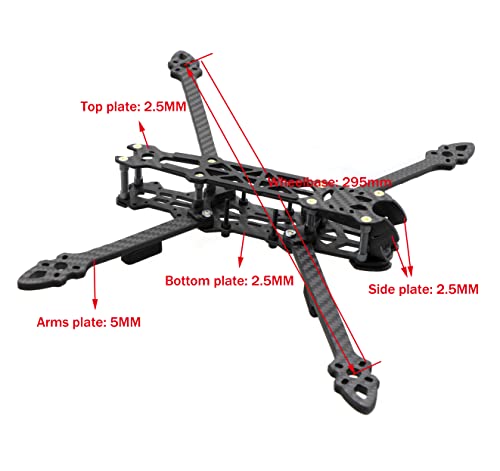
The best FPV freestyle frame is a tough, stiff carbon design with good arm thickness and clean build space.
You want a quad you can trust when you punch out and dive a gap. Frames take the hit first. A good frame keeps your tune sharp, your camera safe, and your stack snug. A bad one flexes, vibes, and breaks arms on small crashes. I’ve built and bashed many freestyle rigs. In this guide, I’ll help you pick the best fpv freestyle frame for your style, whether you rip parks, chase mountains, or film smooth reels.
FPVDrone 7-inch 295mm Freestyle Frame, 5mm Arms

This 7-inch FPVDrone frame sits in a sweet spot for long range and heavy freestyle. The 295mm wheelbase gives you room for bigger props and larger batteries. The 5mm arms promise solid crash resistance without adding too much weight. I like the flat deck layout for neat wiring and cleaner airflow.
It suits 2806–3006 motors and packs a GoPro or naked action cam with ease. You can build it as a cruiser for big mountain flights or a smooth cinematic rig. The frame shape keeps props out of view with most camera angles. It feels like a strong entry if you want the best fpv freestyle frame for 7-inch builds.
Pros:
- 5mm arms handle hard landings and mid-air hits
- Spacious layout for clean stack and VTX installs
- Good for long flights with 6–7-inch props
- Stable platform for smooth cinematic lines
- Camera sits protected behind stiff side plates
Cons:
- Larger footprint means less agile than 5-inch
- Heavier batteries push AUW up fast
- Not ideal for tight bandos or micro gaps
My Recommendation
Pick this if you want a tough 7-inch frame for long range and smooth lines. It makes sense if you carry bigger packs, use GPS, or mount a full-size action camera. It gives you room to grow but stays simple to build. For big air, this can be your best fpv freestyle frame.
| Best for | Why |
|---|---|
| Long range cruising | Stability with 7-inch props and strong 5mm arms |
| Cinematic flights | Room for action cams and clean wiring |
| Mixed freestyle | Stiff deck keeps tune tight and sticks feel locked |
FPVDrone 224mm 5-inch HD Frame for DJI Units

This 5-inch FPVDrone frame targets HD builds with DJI units. The 224mm wheelbase is a classic freestyle size. It keeps the center of gravity low for snappy flips and rolls. The body offers space for a 20×20 or 30.5×30.5 stack in many layouts.
The camera plates protect your lens in head-on taps. The frame feels balanced for park ripping or light cinematic work. It is a simple, strong choice if you want the best fpv freestyle frame for a compact HD setup. You can keep the build clean and the tune tight.
Pros:
- Friendly layout for DJI HD and modern VTX units
- 224mm wheelbase gives great agility
- Easy access to stack screws for service
- Camera sits deep for better lens safety
- Stiff structure helps reduce jello with HD cams
Cons:
- Not ideal for very heavy builds
- May need TPU prints for some mounts
- Narrower deck can crowd wires if overbuilt
My Recommendation
Choose this if you want a compact, HD-friendly 5-inch rig. It is great for parks, school yards, and small lots. It keeps weight down and still holds your gear well. For many pilots, this hits the sweet spot for the best fpv freestyle frame.
| Best for | Why |
|---|---|
| Park freestyle | Light, nimble, and easy to tune |
| HD builds | Room for DJI systems with neat cable runs |
| Beginner to intermediate | Simple assembly and predictable flight feel |
FPVDrone V2 8-inch 367mm Frame, 6mm Arms
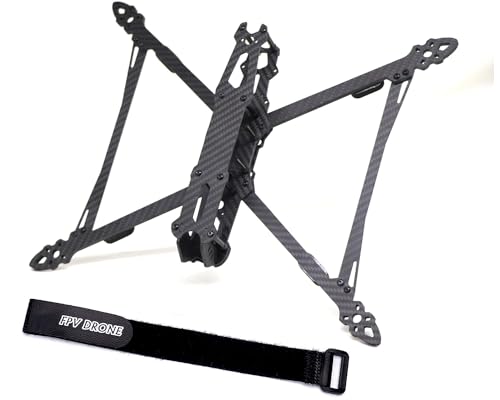
This 8-inch V2 frame stretches your range and payload options. The 367mm wheelbase and 6mm arms are made to carry heavy gear. Think large packs, GPS, and full-size action cameras. It is built for pilots who want endurance and high camera stability.
The extra arm thickness fights twist under throttle. Bigger props reward smooth throttle control and efficient cruising. It is not as quick as a 5-inch. But if you want to push far and record clean, this can be your best fpv freestyle frame for big air.
Pros:
- 6mm arms provide serious rigidity and crash strength
- Wide deck for big stacks and VTX cooling
- Stable camera platform for low-jello footage
- Fits long-range gear like GPS and beepers
- Supports large battery sizes for more flight time
Cons:
- Heavy compared to 5-inch or 7-inch
- Needs big motors and ESCs
- Not suited to tight racing lines
My Recommendation
Pick this if you film wide shots or plan long missions. It suits pilots who like slow, smooth lines and reliable handling. The 6mm arms help keep tune and footage steady. For long range, this is a strong contender for the best fpv freestyle frame.
| Best for | Why |
|---|---|
| Endurance flights | Supports big packs and efficient props |
| Cinematic stability | Rigid arms reduce vibrations and jello |
| Heavy payloads | Extra space for action cams and GPS |
YoungRC HD5 225mm 5-inch Freestyle Frame
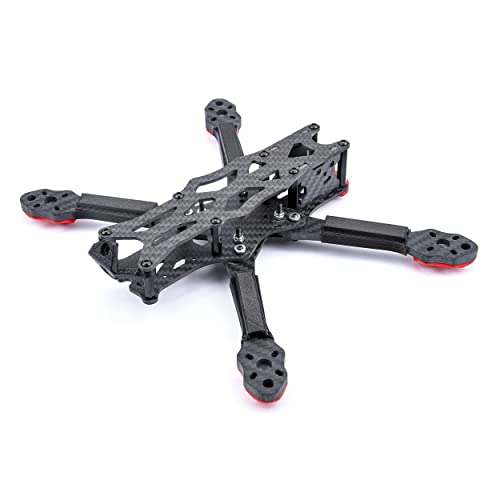
The YoungRC HD5 aims at classic freestyle feel with modern HD space. The 225mm wheelbase makes it nimble and precise. It supports clean stack mounting and protects your camera with rigid side plates. It is a solid base for beginners and vets alike.
I like how simple frames make wiring easy and tuning fast. This one looks built for smooth lines and quick split-S moves. It is not too heavy, so throttle feels crisp. For many pilots, this can be the best fpv freestyle frame at the 5-inch sweet spot.
Pros:
- Balanced 225mm size for nimble freestyle
- Clean camera protection and mounting
- Good for both analog and digital gear
- Simple to service and upgrade
- Predictable in windy park sessions
Cons:
- Less space for very large VTX setups
- May need extra TPU for O3 antennas
- Not ideal for very heavy batteries
My Recommendation
Get this if you want a no-drama 5-inch freestyle frame. It fits most pilots who fly parks, bandos, or open fields. It balances weight, stiffness, and room to build. If you chase the best fpv freestyle frame feel, this one hits that classic groove.
| Best for | Why |
|---|---|
| All-around freestyle | Nimble and easy to tune |
| HD or analog | Works with many VTX systems |
| Budget builders | Simple parts and fewer extras needed |
HUIOP 7-inch 295mm Freestyle Frame, 5mm Arms

The HUIOP 7-inch frame is built for long range and calm footage. The 295mm wheelbase and 5mm arms offer a sturdy base. It gives you a wide deck for stacks, GPS, and VTX cooling. The camera sits protected to reduce lens hits.
I see this as a long-day flyer. It can carry Li-Ion packs with ease. It is stable in wind and tracks smooth with light filters on your camera. If you want a long range rig that still flips fine, this can be your best fpv freestyle frame.
Pros:
- Strong 5mm arms for rough terrain takeoffs
- Roomy top plate for straps and battery pads
- Good balance for mid-throttle cruising
- Simple design makes repairs quick
- Stable video on slower shutter speeds
Cons:
- Not as nimble as 5-inch frames
- Needs careful prop choice to avoid jello
- Build weight can climb with add-ons
My Recommendation
Use this if you fly trails, ridges, and longer lines. It suits pilots who carry GPS, buzzers, and bigger packs. It flies smooth and keeps the camera safe. For many long range pilots, this is a best fpv freestyle frame choice that balances space and strength.
| Best for | Why |
|---|---|
| Long range | Stability with 7-inch props and sturdy arms |
| Cinematic | Clean deck and camera protection |
| Learning LR builds | Easy layout for wiring and gear |
Mark4 5-inch 225mm Freestyle Frame (Yellow)

The Mark4 5-inch is a crowd-pleasing freestyle shape. The 225mm wheelbase pairs well with 2207 or 2306 motors. The 5mm arms and carbon plates help resist flex. That keeps your tune cleaner and your camera feed stable.
I like this frame for both analog and digital. It flies tight lines in trees and cuts smooth in open parks. It gives a solid build base without strange quirks. For that reason, it often ranks as a best fpv freestyle frame in the 5-inch class.
Pros:
- 5mm arms for tough, everyday crashes
- Balanced center of gravity for snappy moves
- Good camera protection from side bumps
- Supports common stacks and VTX sizes
- Efficient prop paths for clean airflow
Cons:
- Bright color parts can show scuffs
- Some mounts may need TPU prints
- Not a lightweight racing frame
My Recommendation
Choose this if you want that classic 5-inch feel with extra strength. It is a daily driver frame for new and seasoned pilots. It is easy to live with and fun to tune. If you want the best fpv freestyle frame to grow skills, this is a strong bet.
| Best for | Why |
|---|---|
| Daily freestyle | Durable arms and simple, strong layout |
| Mixed flying | Good in parks, fields, and light bandos |
| Skill building | Predictable handling helps practice |
Mark4 7-inch 295mm Freestyle Frame, 5mm Arms

This Mark4 variant scales up the design to 7-inch. You get 295mm wheelbase, 5mm arms, and a roomy deck. The geometry aims for smooth tracking and good durability. It works well for cinematic sweeps and long missions.
The frame supports common stack sizes and camera formats. You can mount a GPS and larger VTX with care. It keeps the lens safe and the arms stiff under power. If you want a 7-inch with familiar handling, this could be your best fpv freestyle frame.
Pros:
- Reliable Mark4 lineage scaled for 7-inch props
- Ample room for long range electronics
- 5mm arms resist flex in dives
- Stable platform for heavy cameras
- Reasonable build complexity for size
Cons:
- Less agile than 5-inch Mark4
- More weight to carry and tune around
- Needs careful prop-balancing for clean video
My Recommendation
Pick this if you already like the Mark4 feel and want longer legs. It suits pilots who film wide shots and like steady lines. It keeps a simple build flow for a larger rig. For many long range fans, it is a best fpv freestyle frame with proven DNA.
| Best for | Why |
|---|---|
| Cinematic LR | Stable base with protected camera and big props |
| Action cam use | Holds heavier cams with less wobble |
| Mark4 fans | Familiar layout and tuning behavior |
DashRC Mark4 HD 5-inch 225mm Frame

The DashRC Mark4 HD is a 5-inch frame tuned for digital systems. The 225mm wheelbase keeps it agile and fun. The structure is stiff to help HD cams avoid jello. It offers a clean space for stacks and VTXs.
If you fly DJI O3, Vista, or similar, this is a friendly base. It protects the camera well in front bumps. The weight stays reasonable for strong throttle pop. Many pilots will find this close to the best fpv freestyle frame for HD 5-inch builds.
Pros:
- HD-focused layout with neat cable runs
- Good balance of strength and weight
- Predictable handling for tight freestyle moves
- Plenty of strap room for top-mounted batteries
- Solid protection for front camera
Cons:
- Not the lightest 5-inch option
- May need TPU parts for antenna management
- Limited room for dual stacks
My Recommendation
Go for this if you want a 5-inch HD frame that just works. It suits pilots who fly fast lines but need clean video. It is easy to maintain and tune. For HD-focused freestyle, this is a best fpv freestyle frame worth shortlisting.
| Best for | Why |
|---|---|
| Digital video | Layout aids O3/Vista installs and cooling |
| Park and bando | Strong, stiff, and crash-friendly |
| Intermediate pilots | Forgiving handling and build flow |
JeeFly 5-inch 225mm Frame, 5.5mm Arms

The JeeFly 5-inch frame stands out with 5.5mm arms. That little extra thickness adds toughness and stiffness. It helps keep your tune solid after hard knocks. The 225mm wheelbase hits the freestyle sweet spot.
There is a battery strap in the box, so you can get flying faster. The layout gives you space for clean wiring. It handles analog or digital with care. If you crash a lot but love park ripping, this could be your best fpv freestyle frame.
Pros:
- Thick 5.5mm arms for extreme durability
- Rigid build reduces flex and vibration
- Includes strap to get started fast
- Agile handling with 225mm wheelbase
- Good camera protection for head-on bumps
Cons:
- Heavier than 5mm-arm frames
- Not ideal for ultra-light builds
- May need stronger motors for best feel
My Recommendation
Pick this if you want a rugged, park-proof frame that can take hits. It suits pilots who fly low, hit trees, and get back up. The extra arm thickness keeps your tune happy. For a beater that still rips, this is a best fpv freestyle frame option.
| Best for | Why |
|---|---|
| Crash-prone practice | 5.5mm arms soak up abuse |
| Park freestyle | Snappy handling with stiff feel |
| New builders | Simple layout and easy repairs |
SoloGood 5-inch APEX EVO 225mm Frame
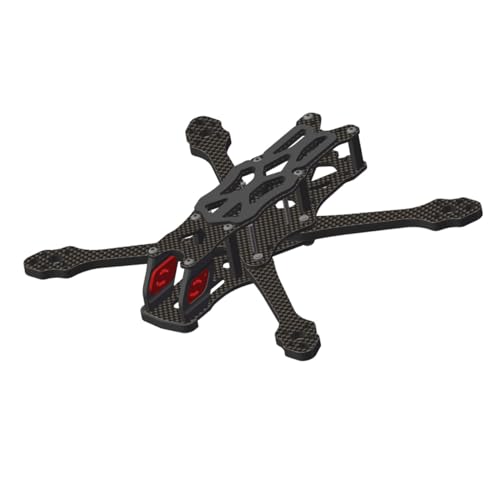
The SoloGood APEX EVO-style frame aims for pro-level stiffness and clean camera performance. The 225mm size is perfect for daily freestyle. It is tuned for DJI O3 and other digital systems. The plates and arm layout focus on reducing vibrations.
I like the tight build area that still fits common stacks. The front camera protection is strong. It is made for smooth footage and sharp sticks. For pilots chasing peak feel, this can be the best fpv freestyle frame in the 5-inch class.
Pros:
- Stiff design helps eliminate jello
- Great for O3 and HD cameras
- Balanced geometry for tricks and lines
- Strong front end for lens safety
- Clean layout encourages tidy builds
Cons:
- Tighter space may need careful planning
- Not the cheapest 5-inch option
- Some mounts may require custom TPU
My Recommendation
Get this if you want crisp footage and pro-level feel. It suits pilots who care about tune and clean video. It hits a high bar for stiffness and camera protection. For many, it is the best fpv freestyle frame to push skills and footage quality.
| Best for | Why |
|---|---|
| HD cinematic | Stiff build reduces jello and wobble |
| Technical freestyle | Predictable geometry and quick response |
| O3 users | Friendly layout for modern digital gear |
FAQs Of best fpv freestyle frame
What size is best for freestyle: 5-inch or 7-inch?
Pick 5-inch for nimble moves and park flying. Choose 7-inch for long range and stable, smooth footage. Many pilots start at 5-inch, then add a 7-inch for travel and films.
How thick should arms be for durability?
5mm arms are a solid baseline for 5-inch and 7-inch frames. Heavier rigs may benefit from 5.5mm or 6mm for more stiffness. Thicker arms add weight but can keep tunes steadier.
What stack mounting patterns should I look for?
Look for support of common patterns like 20×20 and 30.5×30.5. This gives flexibility for ESC and FC choices. It also makes upgrades simpler later.
Is a deadcat or X geometry better for freestyle?
X geometry is nimble and balanced. Deadcat helps keep props out of view for HD. For pure freestyle feel, X is common. For video-first, deadcat can be ideal.
Top mount vs bottom mount battery: which is better?
Top mount is common for freestyle because it helps balance flips and rolls. Bottom mount can smooth dives and reduce prop wash. Try both and choose what fits your style.
Final Verdict: Which Should You Buy?
If you want agility and easy tuning, a 5-inch like the SoloGood APEX EVO or the DashRC Mark4 HD feels right. If you chase distance and stability, the FPVDrone 7-inch or Mark4 7-inch stands out.
Your best fpv freestyle frame matches your flying style and build plan. Choose strength, clean space, and the size you can enjoy every day.