The best orthopedic books cover imaging, anatomy, rehab, and board prep.
You want clear answers fast. Maybe you are a resident facing call. Maybe you are a PA in clinic starting injections. Or you are a rehab pro chasing better outcomes. A good book cuts noise and saves time. It turns a complex case into a step-by-step plan. I have spent years comparing the best orthopedic books for real use. This guide breaks down what works now, not five years ago.
Orthopaedic Imaging: Practical Approach

This is the imaging playbook many clinicians keep within reach. It covers plain films, CT, and MRI with a clear path to diagnosis. The structure guides you from clinical clue to key view to common pitfalls. It also calls out variants that mimic disease.
I like how it separates acute trauma from chronic change. The comparison images save time when you are on the clock. The pediatric sections are strong and practical. It helps new learners and keeps experienced readers honest.
Pros:
- Step-by-step approach from symptom to study
- Strong coverage of normal variants versus pathology
- Helpful pediatric and sports injury chapters
- Clear MRI and CT pearls for common joints
- Useful tables for differential diagnosis
- Images are crisp and clinically focused
Cons:
- Large footprint for daily carry
- Some rare conditions get brief coverage
- Advanced interventional imaging is limited
My Recommendation
This is ideal for residents, PAs, and urgent care clinicians. It is also great for surgeons who want fast refreshers during call. If you want one imaging text that blends depth and speed, start here. It earns a regular spot among the best orthopedic books for real-life decisions.
| Best for | Why |
|---|---|
| Trauma workups | Clear films with pearls and pitfalls |
| Sports injuries | Strong MRI guidance by joint |
| Pediatric cases | Covers classic growth plate patterns |
Practical Office Orthopedics

This book fits everyday clinic flow. It leans on quick exams, red flags, and first-line care. It walks you through injections, splinting, and when to refer. Language is simple, but the advice is solid.
I reach for it when time is tight. The algorithms stop guesswork and cut patient wait times. It works for family medicine, urgent care, and ortho clinic. You get function-first care you can use today.
Pros:
- Clean algorithms for common problems
- Injection tips with safety notes
- Splinting guidance with photos
- Clear referral thresholds
- Patient education talking points
- Easy to skim during a busy day
Cons:
- Limited deep dive on rare disorders
- Fewer surgical technique details
- Some images feel small in print
My Recommendation
If you work in primary care or a fast-paced clinic, this is a win. Students and new PAs get structure and confidence. Seasoned clinicians get quick refreshers. It belongs on any list of the best orthopedic books for outpatient care.
| Best for | Why |
|---|---|
| Primary care triage | Fast red flags and algorithms |
| Office procedures | Clear injection and splinting steps |
| Patient talks | Simple education cues in plain English |
Miller’s Review of Orthopaedics

This is the board-prep backbone for many trainees. It distills must-know facts into clean bullets. The scope is wide, from basic science to subspecialty. It mirrors exam style and cuts fluff.
I used it to prep for the OITE and felt ready. The high-yield figures stick in your mind. The question sets test recall and judgment. Use it as your core, then add subspecialty depth as needed.
Pros:
- Bullet format for fast review
- Strong exam-style questions
- Links basic science to clinical care
- Consistent, predictable layout
- Great last-month cram value
- Trusted by many residency programs
Cons:
- Bullets can lack nuance
- Limited procedural step-by-step detail
- Heavy to carry daily
My Recommendation
For students, residents, and anyone taking boards, this is essential. It gives a clear path to high scores and safe care. Pair it with a deeper text if you want more context. It remains one of the best orthopedic books for exam success.
| Best for | Why |
|---|---|
| OITE and boards | High-yield bullets and questions |
| Last-minute review | Fast summaries by topic |
| Framework learning | Clear, organized structure |
Netter’s Concise Orthopaedic Anatomy
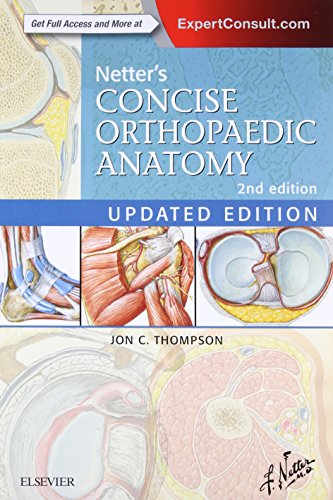
This pocket guide gives you Netter art with quick facts. It lists origins, insertions, actions, and innervation with clarity. The plates are clean and labeled well. It fits in a coat and comes out in seconds.
I use it before injections and exams. It anchors surface anatomy to the deep layers. It also helps students build a mental map. If you want anatomy without a heavy atlas, this is it.
Pros:
- Pocket size with durable pages
- Beautiful, precise Netter plates
- Quick tables for nerve and vessel paths
- Clinical correlations where they matter
- Great for pre-op checks and teaching
- Fast lookups at the bedside
Cons:
- Less detail than full atlases
- Limited pathology content
- Small print in some tables
My Recommendation
This is best for learners and clinicians who need rapid anatomy. It shines in clinic, OR, and skills labs. It pairs well with imaging and exam texts. It deserves a place among the best orthopedic books for daily use.
| Best for | Why |
|---|---|
| Bedside reference | Pocket size and fast tables |
| Injection planning | Clear landmarks and depth sense |
| Teaching rounds | Clean visuals for students |
Orthopedic Massage: Theory and Technique

This book bridges manual therapy and ortho care. It shows how to assess pain patterns and movement faults. You get step-by-step techniques with clear intent. It helps you build a plan, not just a routine.
I value the clinical reasoning sections. They keep you from chasing pain and missing cause. The illustrations show hand placement and pressure. It is useful for massage, PT, AT, and chiropractic.
Pros:
- Strong assessment logic before treatment
- Detailed technique steps with photos
- Pain science woven into practice
- Case examples for common regions
- Helps avoid over-treatment
- Integrates well with exercise plans
Cons:
- Assumes some anatomy knowledge
- Less coverage of post-op protocols
- Few pediatric examples
My Recommendation
Manual therapists who treat sports and overuse pain will love this. It is also good for PTs and trainers who blend hands-on care. Use it to sharpen assessment and outcomes. It earns a spot with the best orthopedic books for conservative care.
| Best for | Why |
|---|---|
| Manual therapy | Clear techniques and intent |
| Overuse injuries | Assessment rooted in movement |
| Clinic protocols | Easy to fit into care plans |
Atlas of Interventional Orthopedic Procedures

This atlas gives step-by-step fluoroscopy and ultrasound guidance. The images are sharp and the safety notes are clear. Each procedure has indications, setup, target, and pitfalls. You can follow it in the lab or clinic.
It helps with shoulder, hip, knee, spine, and small joints. The US views are well chosen for beginners. Fluoro landmarks are easy to repeat. It is a solid bridge from theory to safe practice.
Pros:
- Side-by-side US and fluoro visuals
- Checklists for setup and dosing
- Complication avoidance tips
- Covers common ortho injections
- Useful for pain and sports clinics
- Great for training and pro refreshers
Cons:
- Advanced spine procedures are brief
- Assumes basic needle skills
- Device brand details are limited
My Recommendation
Pick this if you perform guided injections or teach skills labs. It fits sports med, PM&R, pain, and ortho. It shortens the learning curve and boosts safety. It sits high among the best orthopedic books for interventional care.
| Best for | Why |
|---|---|
| Ultrasound guidance | Clear planes and targets |
| Fluoro injections | Reliable landmarks and angles |
| Skills teaching | Stepwise images and checklists |
Knee Surgery Recovery Activity Book

Recovery can feel slow and lonely. This playful book brings humor and calm to long rehab days. It packs puzzles, word games, and light prompts. It keeps the mind busy when the knee needs rest.
I like it as a gift for patients or family members. It pairs well with a PT plan and a steady walk schedule. The tone is kind and upbeat. Small wins matter during recovery, and this helps.
Pros:
- Fun way to pass rehab time
- Reduces stress and boredom
- Large print and easy layouts
- Positive tone supports mindset
- Great as a thoughtful gift
- Low cost morale booster
Cons:
- Not a medical guide
- Humor is subjective
- Focuses only on knee recovery
My Recommendation
Give this to anyone after a knee replacement or arthroscopy. It complements PT and home programs. It keeps spirits up while the joint heals. It is not clinical, but it earns a spot near the best orthopedic books as a human touch for rehab.
| Best for | Why |
|---|---|
| Post-op patients | Mood lift during long recovery |
| Family caregivers | Easy gift that shows support |
| Clinic waiting rooms | Light activity while waiting |
Orthopaedics for Physician Assistants

This book is built for PAs in ortho. It covers clinic flow, peri-op care, and common procedures. It uses algorithms, templates, and imaging basics. The tone is practical and safe.
I like the pre-op and post-op checklists. They help new PAs avoid errors and missed steps. The scope is wide, yet easy to navigate. It is a ready-made toolkit for the job.
Pros:
- PA-centered workflow and roles
- Strong peri-op and clinic checklists
- Clear referral and escalation paths
- Good imaging primers by region
- Patient communication scripts
- Time-saving templates and tips
Cons:
- Not a deep surgical textbook
- Some niche topics are short
- Few advanced interventional details
My Recommendation
If you are a PA in ortho, buy this early. It shortens ramp-up time and improves care. It also helps students on rotations stand out. It is one of the best orthopedic books for PA-specific practice.
| Best for | Why |
|---|---|
| New ortho PAs | Role-based checklists and flow |
| Rotation students | Fast orientation to clinic |
| Peri-op support | Safety steps and protocols |
Orthopedic Rehabilitation Clinical Advisor

This is a quick reference for rehab pros. It covers diagnosis, tests, and stage-based care. You get concise protocols and progress cues. It is built for PTs, OTs, and ATs who need speed.
I reach for it to confirm loads, volumes, and progressions. The tables spell out what to do and when to stop. It links impairments to function well. It works in busy clinics and home health.
Pros:
- Stage-based rehab pathways
- Clear objective progress markers
- Evidence notes for key choices
- Special tests and reliability cues
- Return-to-sport checkpoints
- Easy-to-copy home program ideas
Cons:
- Less surgical detail
- Some tests lack deep critique
- Layout feels dense in parts
My Recommendation
PTs, ATs, and rehab-minded PAs will use this often. It turns best evidence into clear steps. It speeds decision-making and charts. It belongs with the best orthopedic books for rehab planning.
| Best for | Why |
|---|---|
| Outpatient PT | Stage-based loading plans |
| Return to sport | Objective criteria and tests |
| Home programs | Simple progressions that fit life |
Manual of Therapeutic Exercises

This manual covers exercise choices for the whole body. It links impairments to specific drills and progressions. Each section shows goals, dosage, and cues. Photos and tips help with form and safety.
I like it for building plans that patients can follow. It works for clinic and home care. It scales from acute to return-to-sport. The variety prevents boredom and plateaus.
Pros:
- Exercise progressions by phase
- Clear sets, reps, and cues
- Form tips and safety notes
- Adaptations for pain or limits
- Covers spine and extremities
- Printable program structure
Cons:
- Few advanced athlete programs
- Some images are small
- Minimal discussion of equipment brands
My Recommendation
Great for PTs, ATs, and strength coaches in rehab. New grads will love the structure. Experienced pros will mix and match with ease. It stands with the best orthopedic books for exercise-based recovery.
| Best for | Why |
|---|---|
| Clinic programming | Phase-based templates |
| Home exercise | Simple cues and low equipment |
| Return to function | Progressions that scale |
Orthopedic Imaging: A Practical Approach
Note: This is the same core text as the first listing but worth repeating due to its range. It is the imaging standard many compare others against. The content helps you read films under pressure. It also helps avoid classic traps in ortho imaging.
If you need one imaging reference for clinic and call, pick this. It supports confident reads and better consults. I still learn from it after years of use. It stays current on common patterns and pitfalls.
Pros:
- Trusted reference across settings
- Excellent normal-versus-abnormal guidance
- Strong trauma and overuse injury coverage
- Rich figure legends that teach fast
- Good value over many years
- Supports teaching and case review
Cons:
- Repetition if you own other atlases
- Very detailed index can be slow to scan
- May be overkill for casual readers
My Recommendation
Residents, attendings, and PAs all win with this book. It is a strong anchor text for imaging literacy. Keep it on your desk or use it for rounds. It remains one of the best orthopedic books for accurate reads.
| Best for | Why |
|---|---|
| Daily film reads | Reliable visuals and notes |
| Teaching sessions | Consistent cases and variants |
| On-call support | Fast, organized sections |
Practical Office Ortho Guide
Note: This entry reflects the same core title with a tighter clinic lens. It shines when you need to rule in or out a concern. Pain maps, exam steps, and trial care are efficient. The layout makes you faster with each use.
It also helps train MAs and new staff. You can standardize splints, braces, and injection setups. The patient handoff notes make visits smoother. That means better care and less stress.
Pros:
- Clinic-first structure and language
- Great for training support staff
- Consistent, brief care pathways
- Useful supply and setup lists
- Red flag callouts in bold
- Strong value for outpatient teams
Cons:
- Few surgical decision trees
- Not ideal for complex deformity
- Limited pediatrics beyond basics
My Recommendation
Outpatient teams will get daily mileage from this. It is friendly, safe, and fast. It sets a standard for consistent care. It deserves mention among the best orthopedic books for clinic workflows.
| Best for | Why |
|---|---|
| Ortho clinics | Repeatable processes and tools |
| Urgent care | Rapid assessment and splinting |
| Team training | Shared language and steps |
FAQs Of best orthopedic books
How do I choose the best orthopedic books for my level?
Match the book to your role and goals. Students need anatomy and exam basics. Residents need board prep and imaging. Rehab pros need exercise and protocols.
Are the best orthopedic books still useful with online tools?
Yes. Books give structure and quality control. Pair them with videos and apps. The mix speeds learning and improves recall.
Which book should I buy first for imaging?
Start with a practical imaging atlas. Choose one with clear algorithms and pitfalls. It should cover films, CT, and MRI well.
What is the best way to study for ortho boards?
Use a core review book daily. Do questions often. Add focused reading on weak areas. Teach topics to lock them in.
Can the best orthopedic books replace formal training?
No. They support, not replace, training and mentorship. Use them with supervision. Practice safely and within your scope.
Final Verdict: Which Should You Buy?
If you want one anchor, pick Orthopaedic Imaging for daily cases. For exams, Miller’s Review is the clear first buy among the best orthopedic books.
Clinic teams should add Practical Office Orthopedics. Rehab pros will love the Manual of Therapeutic Exercises. Build your shelf with the best orthopedic books that match your work today.