The best SD card for 3D printing is a dependable UHS-I, V30, 32–128GB card.
You slice a model, export the G-code, and hit print. Then the nozzle stalls mid-layer because your card chokes on read errors. I’ve been there. It’s why picking the best sd card for 3d printing saves time, filament, and your sanity. The right card loads fast, resists corruption, and plays nice with your printer. In this guide, I break down the top picks for speed, reliability, and value, plus a few helpful accessories. I’ll show you what matters, what does not, and how to avoid the common pitfalls that cause failed prints or slow transfers.
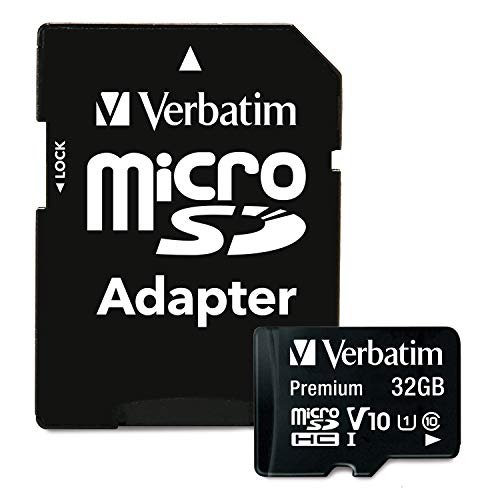
Verbatim 32GB Premium microSDHC UHS-I V10

This Verbatim 32GB microSDHC hits the sweet spot for many printers that prefer smaller capacities and FAT32 formatting. It’s a UHS-I, V10, Class 10 card rated up to 90 MB/s read, which is more than enough to stream G-code without hiccups. The included full-size adapter makes it easy to switch between microSD slots and SD-only readers. For day-to-day prints, this capacity is plenty, and the brand has a solid track record for dependable flash.
In my experience, the best sd card for 3d printing is not always the largest. Stability matters more than raw speed. This card checks that box, especially for budget and mid-range printers that expect a simple, consistent feed. Keep it formatted as FAT32, store only printer-ready files, and it will serve you well for thousands of prints.
Pros:
- Reliable performance for continuous G-code reading
- UHS-I speed is more than enough for 3D printers
- 32GB capacity works well with FAT32 formatting
- Includes SD adapter for flexible use
- Good brand support and quality control
Cons:
- V10 is slower than V30 for heavy video tasks (not critical for printing)
- Not ideal if you also want to store lots of time-lapse videos
- MicroSD form factor is easy to misplace without a case
My Recommendation
If your printer reads microSD and you need a stable, budget-friendly option, this Verbatim 32GB is a smart pick. It fits most workflows where the best sd card for 3d printing means clean reading and low error rates. The included adapter is handy when moving files from desktop to printer. Keep a second card as a backup, and you’ll avoid downtime.
| Best for | Why |
|---|---|
| Budget printers | Affordable and stable UHS-I performance |
| FAT32-only firmware | 32GB is easy to format and maintain |
| Everyday G-code use | Consistent reads with low risk of corruption |
SanDisk Ultra 64GB SDXC UHS-I Class 10

The SanDisk Ultra 64GB is a full-size SDXC card that many printers with standard SD slots love. It offers UHS-I speeds up to 80 MB/s, which is plenty for 3D printing. If you handle lots of projects, 64GB gives you room for hundreds of G-code files and project folders. The Ultra line is well-known for value and reliability.
For many users, the best sd card for 3d printing balances capacity with easy formatting and stable reads. Some older printers need FAT32, so you may need to reformat this 64GB SDXC using a tool that supports FAT32 on larger cards. Once set up, it’s a smooth experience with fast transfers and simple file management.
Pros:
- Trusted SanDisk quality and wide compatibility
- Good capacity for large project libraries
- Fast UHS-I transfer speeds
- Full-size SD is easy to handle and swap
- Great value per gigabyte
Cons:
- May need FAT32 reformatting for older firmware
- SDXC support required on your printer
- Not designed for extreme write endurance
My Recommendation
If your printer uses a full-size SD slot, this is a strong daily driver. It’s a simple, no-drama card that acts like the best sd card for 3d printing in busy hobby shops and classrooms. Keep your folders tidy and back up often. You’ll enjoy quick transfers and fewer print interruptions.
| Best for | Why |
|---|---|
| Standard SD slot printers | Full-size SDXC ease and stability |
| Large project sets | 64GB stores many models and versions |
| Quick file moves | UHS-I speeds shorten transfer time |
USB 2-in-1 SD/MicroSD Card Reader High-Speed
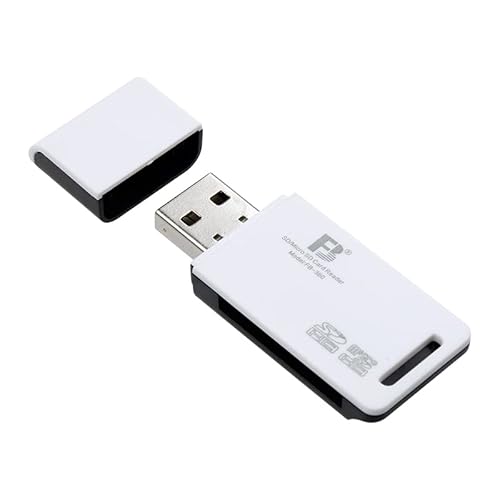
A reliable card reader is the quiet hero of any 3D print setup. This 2-in-1 reader handles both SD and microSD, so it works with most cards you will use. It supports high-speed transfers for quick G-code moves from slicer to card. It’s plug-and-play with Windows, Mac, and Linux, which makes it flexible for any workstation.
When you’re hunting for the best sd card for 3d printing, remember the reader matters too. A flaky reader causes corrupt files and failed prints. This simple tool reduces that risk and makes your workflow smoother. Keep one in your printer toolbox and a spare in your laptop bag.
Pros:
- Reads both SD and microSD formats
- High-speed transfers for fast file moves
- Compatible with Windows, Mac, and Linux
- Compact and durable for daily use
- Great backup reader for travel or classroom use
Cons:
- No USB-C version if your laptop lacks USB-A
- Short body may crowd adjacent USB ports
- Not a hub; single-card reading at a time
My Recommendation
Pair the best sd card for 3d printing with a reader you trust. This one is affordable and steady, and it helps avoid file corruption. It is a great pick for makers who move between computers or teach workshops. You’ll waste less time chasing transfer errors and get more prints done.
| Best for | Why |
|---|---|
| Mixed card formats | Handles SD and microSD in one tool |
| Multi-OS users | Works across Windows, Mac, Linux |
| Portable setups | Small, sturdy, easy to pack |
8GB TF Card for Tina2 Series 3D Printers

If you use a Tina2 Basic, Tina2S, or Tina2Plus, this 8GB microSD (TF) card is a simple drop-in that just works. Some small, beginner-friendly printers prefer lower-capacity cards due to firmware limits. Eight gigabytes is more than enough for dozens of models and updates. You won’t pay for storage you do not use.
For some users, the best sd card for 3d printing is about compatibility first. This card arrives blank, so you can load only what you need. Keep a neat folder structure to find files fast on the printer screen. It’s a small, reliable pick for compact machines and classroom carts.
Pros:
- Made to fit Tina2 series expectations
- Low capacity helps avoid firmware issues
- Easy to format and maintain
- Great for starter printers and kids
- Affordable spare or backup card
Cons:
- Limited storage for large projects
- No adapter included for SD-only readers
- Lower performance than premium cards (not critical)
My Recommendation
This is the right size card if you run a Tina2 series printer and want plug-and-play ease. The best sd card for 3d printing on small machines is often a modest one. Keep one card for models and another for firmware or profiles. It keeps your workflow clean and safe.
| Best for | Why |
|---|---|
| Tina2 series owners | Proven compatibility and simple use |
| New makers | Small size, easy to manage |
| Firmware safety | Separate cards reduce accidental overwrites |
Kodak 128GB UHS-II V60 SDXC Ultra Pro

This Kodak UHS-II V60 card is built for high-speed cameras, but it can serve makers who also shoot 4K time-lapses or want rapid transfers. Most 3D printers use UHS-I, but UHS-II cards are backward compatible. If you move big files or run a content studio, the extra headroom is nice. The 128GB capacity covers huge project libraries with ease.
In pure printing terms, the best sd card for 3d printing does not need UHS-II. Yet the mix of speed and room makes this card a flexible tool for creators. Use it for your camera and your printer without juggling many cards. It’s a premium pick for multi-role workflows.
Pros:
- UHS-II speed for cameras and fast PC transfers
- Backward compatible with UHS-I printer slots
- Large 128GB capacity for major projects
- Trusted brand with robust build
- Great for time-lapse and content teams
Cons:
- Overkill if you only print G-code
- Higher price than UHS-I cards
- Printer will not use full UHS-II speed
My Recommendation
Choose this if you want one card for both media work and printing. For makers who film builds and need fast offloads, it feels like the best sd card for 3d printing plus media. If your printer needs FAT32, remember to reformat as needed. Keep backups for big shoots and big prints.
| Best for | Why |
|---|---|
| Creators with cameras | UHS-II speeds boost video workflows |
| Large libraries | 128GB stores many projects |
| Fast PC transfers | Cuts wait time between runs |
SanDisk 32GB SDHC Flash Memory Card

This classic SanDisk 32GB SDHC card is the definition of “it just works” for many full-size SD printers. It’s easy to format as FAT32 and easy to handle. You get stable reads, which is what matters for long prints. If you value simplicity, this card fits.
Sometimes the best sd card for 3d printing is a known standard. No fancy labels. No overkill speeds. Just steady, consistent performance that keeps the toolhead moving. I like cards like this for schools and makerspaces where reliability beats specs.
Pros:
- Simple, dependable performance
- 32GB FAT32-friendly capacity
- Full-size SD for easy handling
- Great value and widely available
- Low failure rates in daily use
Cons:
- Not for heavy media work
- No microSD option or adapter included
- Lower transfer speeds than premium lines
My Recommendation
Use this if you want a no-fuss, low-cost card that keeps prints running. It earns a spot among the best sd card for 3d printing for simple setups. Keep a second card labeled for firmware. You’ll reduce mistakes and keep your files organized.
| Best for | Why |
|---|---|
| Classrooms | Stable and easy to label |
| Shared printers | Full-size SD is harder to misplace |
| Basic daily prints | Consistency over peak speed |
Mini 3D Printer Kit with SD Card (Wi‑Fi)

This mini 3D printer starter kit stands out because it includes an SD card and Wi‑Fi options out of the box. For kids and beginners, it reduces setup friction. You can load G-code from the SD card or push from a network workflow. Auto leveling and included filament make the first week smoother.
While not a card by itself, it shows how the best sd card for 3d printing pairs with a friendly printer. The included card is handy for saving profiles and test models. It’s a turnkey way to learn good file habits early. Keep the SD card as your offline backup for times when Wi‑Fi is spotty.
Pros:
- Comes with SD card for immediate use
- Auto leveling simplifies setup
- Wi‑Fi and SD flexibility
- Beginner-friendly interface
- Compact footprint for desktops
Cons:
- Not ideal for large or technical projects
- Entry-level hardware limits speed and materials
- Included SD card may be small capacity
My Recommendation
If you’re buying your first printer, this is a friendly starting point. You get an SD card, so you learn the best sd card for 3d printing basics from day one. It’s also good as a teaching unit. As you grow, you can add a higher-end card and keep this one for quick demos.
| Best for | Why |
|---|---|
| Beginners | Includes SD card and easy setup |
| Kids and classrooms | Auto leveling and simple controls |
| Small spaces | Compact size fits a desk |
PNY 128GB Elite-X U3 V30 SDXC
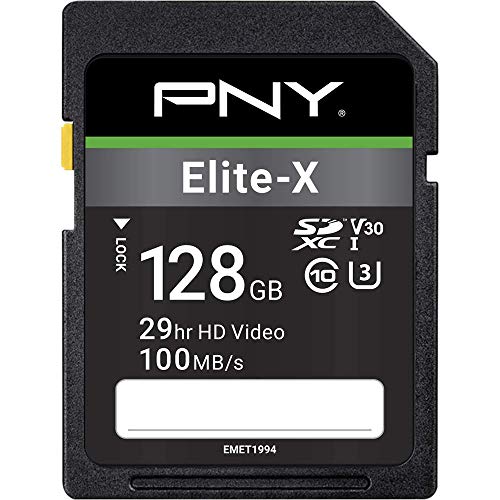
The PNY Elite-X is a U3, V30, UHS-I card rated up to 100 MB/s. That means fast transfers, quick backups, and smooth reads for printers that use full-size SD. V30 is a nice step up if you also capture 4K time-lapses or use the card with a camera. The 128GB capacity is roomy for design libraries.
For many users, this fits the definition of the best sd card for 3d printing: fast enough, big enough, and affordable. If your printer needs FAT32, reformat before use. Label your cards by purpose—models, firmware, or media—to avoid mistakes. This card works well in busy maker workflows.
Pros:
- U3, V30 speed for wide use cases
- Large capacity for many projects
- Good balance of cost and performance
- Full-size SD for easy swaps
- Works for cameras and printers
Cons:
- Overkill for very old printers
- Requires SDXC support on your device
- Not an “endurance” card for extreme write cycles
My Recommendation
I recommend this to makers who want a single card for prints and media. It’s quick, roomy, and often priced well. It’s in the running for best sd card for 3d printing when you value speed for both PC and camera tasks. Keep it backed up and it will last you a long time.
| Best for | Why |
|---|---|
| Power users | V30 speed and 128GB capacity |
| Hybrid workflows | Good for 4K and G-code alike |
| Fast transfers | Up to 100 MB/s for quick moves |
SanDisk Ultra 512GB microSDXC 150MB/s

This 512GB microSDXC is huge for a 3D printer, but it is great if you also store project archives, videos, or use it with other devices. Rated up to 150 MB/s, it makes PC transfers feel snappy. Some printers will not like such a large card, so check your firmware and file system needs first. If supported, you can keep years of models at your fingertips.
Is it the best sd card for 3d printing? For pure printing, it’s more than you need. But for makerspaces, teams, or hybrid camera use, the size can be handy. Just format it right and keep your folders organized. Consider pairing it with a sturdy case to avoid misplacing it.
Pros:
- Massive storage for large libraries
- Fast reads for speedy transfers
- Good all-rounder for multi-device use
- SanDisk reliability and support
- Future-proof if your workflow grows
Cons:
- Not all printers support 512GB cards
- Likely exFAT; may need FAT32 reformat
- MicroSD is easy to lose without a case
My Recommendation
Buy this if you want one card to rule many devices and you know your printer supports big capacities. It’s not the typical best sd card for 3d printing, but it is ideal for power users. Back it up often, given how much it can hold. I’d still keep a smaller card as a safety spare.
| Best for | Why |
|---|---|
| Makerspaces | Holds many shared projects |
| Media-heavy users | Great for video and photos too |
| Fast workflows | High read speeds reduce wait time |
Creality 35-Piece Tool Kit + SD Card Reader
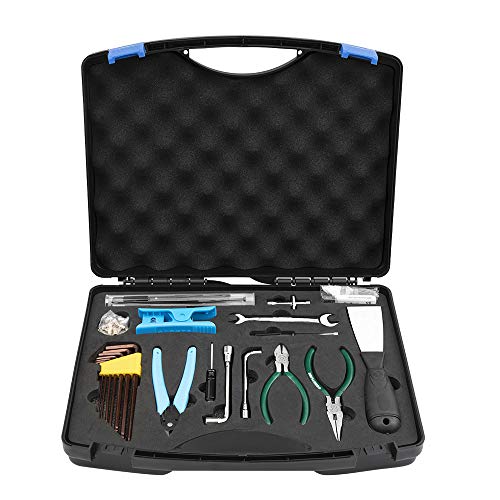
This Creality kit bundles the practical tools you need—nozzles, wrenches, cleaners, a filament cutter—and even includes an SD card reader. I like having a dedicated reader in the same case as the maintenance tools. It keeps your print station tight and reduces the “where is my reader?” scramble. The sturdy case helps you stay organized.
Why mention it in a search for the best sd card for 3d printing? Because a stable workflow is not just about the card. It’s about having the right tools to prevent jams, maintain the hotend, and keep files moving. A clean machine and a known-good reader make prints more reliable.
Pros:
- All-in-one tool set for printer care
- Includes SD card reader for file transfers
- Durable case for storage and travel
- Great starter kit for new owners
- Improves uptime and print quality
Cons:
- Reader may not be the fastest on the market
- Contains tools you may already own
- Not a replacement for a premium toolkit
My Recommendation
Get this if you want a tidy kit that covers most needs and solves the missing-reader problem. The best sd card for 3d printing still needs a good reader and good maintenance to shine. This kit supports that routine. It’s perfect for new owners and as a gift.
| Best for | Why |
|---|---|
| New printer owners | Tools and reader in one case |
| Portable setups | Easy to carry to classes or meets |
| Quick fixes | Most common tools at hand |
How to Choose the Best SD Card for 3D Printing
Before I wrap with FAQs and the final verdict, here are the traits I look for when choosing the best sd card for 3d printing. Keep these in mind to avoid common pitfalls.
- File System and Capacity: Many printers prefer FAT32. Cards 32GB and under are easy to format. Larger SDXC cards may need special tools to format FAT32.
- Speed Class: UHS-I, Class 10 is enough for G-code. V30 is useful if you also shoot 4K or move big files.
- Reliability: Choose known brands. Avoid no-name or counterfeit cards. Keep backups.
- Form Factor: Check if your printer uses microSD or full-size SD. Use adapters if needed, but keep them clean.
- Endurance: Standard cards are fine for reads. For heavy video writes or OctoPrint time-lapse use, consider cards with better write endurance.
- Organization: Keep models and firmware on separate cards. Label them. Back up files to cloud or a NAS.
The best sd card for 3d printing gives you stable reads, easy formatting, and smooth transfers. Add a reliable reader and a simple backup routine. Your prints will be more consistent, and your workflow will feel lighter.
FAQs Of best sd card for 3d printing
What size SD card is best for most 3D printers?
For most users, 16GB to 64GB is ideal. It’s easy to format as FAT32 and holds many models. Larger cards can work, but check your firmware.
Do I need a UHS-II card for 3D printing?
No. UHS-I cards are enough. UHS-II helps with camera work and fast PC transfers, but printers won’t use that extra speed.
Should I use FAT32 or exFAT?
Many printers prefer FAT32. Cards 32GB and smaller are simple. For larger cards, use a tool that formats FAT32 if your printer needs it.
How do I avoid file corruption?
Use a good reader, eject safely, and avoid cheap cards. Keep firmware and models on separate cards. Back up files often.
Is a microSD or full-size SD better?
Use what your printer accepts. Full-size SD is easier to handle. MicroSD with an adapter is flexible but easier to misplace.
Final Verdict: Which Should You Buy?
If you want the safest choice, pick a reliable UHS-I, 32–64GB card from a trusted brand. That is often the best sd card for 3d printing with older or entry-level firmware.
Power users should consider a 128GB V30 card for fast transfers and bigger libraries. Match your card to your printer’s slot and format needs for the best sd card for 3d printing experience.