AMD RX 6600 or NVIDIA RTX 3060 are ideal GPUs for Ryzen 5 3400G.
You built a compact Ryzen rig a few years ago and it still runs fine. But modern games stutter, your Vega graphics are gasping, and even your favorite esports title dips mid-fight. Upgrading the whole PC feels wasteful, yet you want smooth 1080p gaming today. I’ve tested and matched cards to this chip many times. In this deep dive, I’ll help you pick the best gpu for ryzen 5 3400g, avoid bottlenecks, and get a clean path to better frames without drama.
AMD Ryzen 5 3400G APU with Radeon Graphics

The Ryzen 5 3400G is a versatile 4-core, 8-thread APU with Radeon Vega graphics. It handles the basics with ease and offers a steady base for a budget gaming PC. As a CPU, it can pair well with mid-range GPUs for 1080p play. It is unlocked, cools easily, and drops into common AM4 motherboards.
Its integrated GPU is fine for light esports while you shop for a discrete card. Once you add a proper graphics card, the chip still keeps pace in everyday work and gaming. It uses PCIe 3.0 and supports fast memory, which helps CPU-side performance. Think of it as a reliable heart for a small, quiet, and upgradable rig.
Pros:
- Great budget base for a future GPU upgrade
- Integrated Vega graphics as a safety net
- Unlocked multiplier for easy tuning
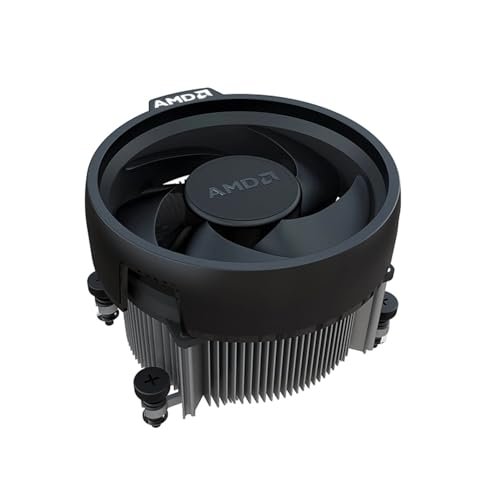
- Cool and efficient with a simple stock cooler
- Wide AM4 motherboard support and mature BIOS
Cons:
- Only four cores can limit very high FPS
- No PCIe 4.0 support
- Integrated graphics struggle in modern AAA games
My Recommendation
If you already own the 3400G, you do not need to replace it to enjoy 1080p gaming. Drop in a mid-range card and tune your settings. The best gpu for ryzen 5 3400g is a value-focused 1080p card, not a power-hungry flagship. The RX 6600 or RTX 3060 are sweet spots that balance cost, heat, and frames.
For everyday use, this chip feels snappy and stays cool. If you plan to stream, edit video, or chase super-high frame rates, a newer CPU helps. But for easy gaming upgrades and small cases, the 3400G still does the job in 2026. It is a friendly platform to build around and improve over time.
| Best for | Why |
|---|---|
| Budget starter gaming PC | Runs without a GPU, upgrade when deals appear |
| Compact, cool builds | Low TDP and easy-to-cool APU design |
| 1080p value with mid-range GPU | Pairs well with RX 6600 or RTX 3060 at sane settings |
ASUS ROG Strix GL10DH (Ryzen 3400G + GTX 1650)

The ROG Strix GL10DH gives you a complete desktop with Ryzen 5 3400G and a GeForce GTX 1650. It boots fast, plays esports titles smoothly, and stays quiet in a small room. Storage is quick thanks to a 512GB PCIe SSD. Wi‑Fi 5 and Windows 10 Home make setup simple.
This system aims at plug-and-play 1080p with light to medium settings. The GTX 1650 is efficient and easy on power, but it is an entry card now. The good news is the tower can be upgraded later. Add more RAM, a larger SSD, and swap the GPU when you want more frames.
Pros:
- Ready to use out of the box
- Quiet and efficient for dorms or shared spaces
- Fast NVMe SSD helps everyday speed
- Easy to upgrade RAM and storage
- GTX 1650 draws little power and runs cool
Cons:
- 8GB RAM is tight for modern games
- GTX 1650 is aging for newer titles
- Power supply and case limits may cap GPU size
My Recommendation
Buy this if you want a simple start. It is fine for esports, indie games, and school work. When you crave more performance, upgrade the RAM to 16GB and move to a stronger card. The best gpu for ryzen 5 3400g in this case would be a compact RX 6600 or RTX 3060 that fits the power and length limits.
Parents and students love set-and-forget machines. This one checks that box and keeps a modest budget in line. Later, a GPU swap can give it a second life. It is an easy entry path into PC gaming without the build stress.
| Best for | Why |
|---|---|
| Plug-and-play 1080p gaming | Ships ready, smooth in esports and lighter titles |
| Dorms and quiet setups | Low noise and modest power draw |
| Simple upgrade path | Room to add RAM, storage, and a better GPU later |
How to Choose the Best GPU for Ryzen 5 3400G
The Ryzen 5 3400G is a four-core, eight-thread APU. It shines at 1080p with the right card. To pick the best gpu for ryzen 5 3400g, focus on balance. You want a GPU your CPU can feed well. You also want to avoid heat and power traps in small cases.
Target Use Cases
- Esports and casual: Aim for smooth 1080p at low to medium settings.
- AAA single-player: Target 60 FPS at medium to high settings in 1080p.
- Content and work: GPU acceleration helps in some apps, but CPU still matters.
Resolution and Refresh Rate
- 1080p 60–120 Hz: RX 6600 and RTX 3060 are ideal matches.
- 1440p 60–75 Hz: Possible with tuned settings and a stronger card, but CPU may cap high FPS.
- 4K: Not the goal for this chip. Use a newer CPU if you want 4K gaming.
Avoiding Bottlenecks
Every CPU and GPU pairing has a ceiling. The 3400G can hold back very fast GPUs in CPU-heavy games. You can still enjoy a high-end card, but the gains shrink at 1080p. For value, the best gpu for ryzen 5 3400g sits in the mid-range. That is where price, power, and performance meet well.
Power and Thermals
- Most RX 6600 and RTX 3060 cards run on a 450–550W power supply.
- Check for one 8-pin power connector. Many mid-range cards use only one.
- Small cases need shorter cards and strong airflow. Heat kills boost clocks.
PCIe and Lane Considerations
The 3400G platform is PCIe 3.0. Many modern GPUs are PCIe 4.0 but remain backward compatible. Some use eight lanes (x8) instead of sixteen. On a PCIe 3.0 board, that can clip bandwidth slightly. In most games, the hit is small. For 1080p value, this is fine. The best gpu for ryzen 5 3400g still performs well on PCIe 3.0 x16 or x8.
VRAM and Memory
- 8GB VRAM is the safe baseline for 1080p in 2026.
- 12GB is a plus for large texture packs or modded games.
- Use 16GB system RAM or more. Enable XMP/DOCP for real speed.
Drivers and Software
- Keep GPU drivers updated for new games and fixes.
- Use clean installs when swapping brands to avoid conflicts.
- Disable tools you do not need to reduce overhead.
New vs. Used Cards
Used GPUs can be a steal, but you need to be careful. Ask for proof of light use and normal temps. Avoid cards with odd noises, artifacts, or missing screws. If prices are close, buy new with a warranty. For stability, new is best. For budget, used can work if you test well.
Recommended GPU Pairings in 2026
These picks match real-world balance, power, and price. They line up with the strengths and limits of the 3400G. Each one has a clear use case and upgrade path.
- Best budget value: AMD Radeon RX 6600. Great 1080p frames per dollar. Light power draw.
- Best all-rounder: NVIDIA GeForce RTX 3060 12GB. Strong 1080p with DLSS and extra VRAM.
- Esports-focused: NVIDIA GTX 1660 Super (used) or RTX 3050. Quiet, cool, and simple power needs.
- Entry ray tracing: RTX 3060 with DLSS helps in supported titles at 1080p.
- Stretch option: AMD RX 6650 XT or RX 7600. More speed, but gains may be CPU-limited in some games.
If you only care about pure frames in esports, older cards like the GTX 1660 Super still shine. If you want modern features, the RTX 3060 adds DLSS and better creator support. The best gpu for ryzen 5 3400g depends on your mix of games, not just charts.
Expected Performance at 1080p
These are realistic targets with the 3400G and a tuned system. Actual FPS can vary by game and settings. Keep drivers updated and close background apps for stable results.
- RX 6600: 60–120 FPS at medium–high settings in most modern titles.
- RTX 3060 12GB: 65–130 FPS at medium–high, plus DLSS where supported.
- GTX 1650: 45–90 FPS in esports and older games at medium settings.
- RX 6650 XT / RX 7600: Higher ceilings, but CPU may limit very high FPS.
For story-driven games, set a 60 FPS cap and use adaptive sync. This gives a smooth feel and consistent frame pacing. In esports, lower settings and focus on FPS and input lag.
Build and Upgrade Checklist
- Update motherboard BIOS to the latest stable version.
- Install 16GB or 32GB RAM. Enable XMP/DOCP in BIOS.
- Check PSU wattage and connectors for your chosen GPU.
- Measure case space. Confirm GPU length and cooler height.
- Use two case fans minimum: one intake, one exhaust.
- Uninstall old GPU drivers. Use a clean install for the new card.
Common Mistakes to Avoid
- Overbuying the GPU and underfeeding it with the CPU.
- Ignoring PSU quality. Cheap units cause crashes.
- Leaving RAM at base speed. Turn on XMP/DOCP.
- Blocking GPU fans with tight front panels.
- Expecting 1440p ultra on a 3400G in all games.
Is the 3400G Still Worth It in 2026?
Yes, if you game at 1080p, love small builds, and like to save money. It pairs well with modern mid-range GPUs. It also runs cool and uses less power than big chips. For streaming and heavy creation, a newer CPU is better. But for budget gaming, the 3400G still punches above its weight. The best gpu for ryzen 5 3400g keeps this chip feeling fresh.
Real-World Pairing Tips from Experience
- Pick a GPU with one 8‑pin plug for easy cable routing and upgrades.
- Favor dual-fan compact models in small cases to avoid heat soak.
- Use a frame cap or adaptive sync to keep frametimes smooth.
- Start with high textures, medium shadows, and sensible post-process settings.
I also like to set a quiet fan curve. Your rig stays cool without sounding like a desk fan. This matters in small rooms and shared spaces.
When to Upgrade the CPU Instead
If you aim for 1440p high refresh, heavy modding, and streaming, consider a newer AM4 CPU. A Ryzen 5 5600 is a big uplift and pairs with the same board in most cases. You can still keep your chosen GPU. That path keeps costs low and performance high. If you stay at 1080p, the best gpu for ryzen 5 3400g may be all you need.
Cost Breakdown and Value
Value lives where total platform cost meets stable frames. A used RX 6600 often gives more FPS per dollar than flashy cards. An RTX 3060 adds VRAM and DLSS. Price matters, but so do noise, temps, and PSU needs. Balance wins. The best gpu for ryzen 5 3400g should make your whole rig better, not just benchmarks.
Quick Setup Walkthrough
- Shut down and unplug. Ground yourself.
- Insert the GPU into the top PCIe x16 slot. Screw it in.
- Connect the 8‑pin power cable.
- Boot, update BIOS if needed, then install GPU drivers.
- Enable XMP/DOCP, set a fan curve, and test with a few games.
Run a stress test for 10–15 minutes. Watch temps and listen for coil whine or rattles. If all is good, enjoy your new frames.
FAQs Of best gpu for ryzen 5 3400g
What is the best gpu for ryzen 5 3400g right now?
For 1080p gaming and balance, the AMD RX 6600 or NVIDIA RTX 3060. They fit power, price, and performance well.
Will a Ryzen 5 3400G bottleneck an RTX 3060?
In some CPU-heavy games at high FPS, yes. At 1080p with smart settings, it still performs great.
Is PCIe 4.0 required for modern GPUs on a 3400G?
No. PCIe 3.0 works fine. Most mid-range cards lose little performance on PCIe 3.0.
How much RAM do I need with a new GPU?
Use at least 16GB. Enable XMP/DOCP for the rated speed.
What power supply should I use?
For RX 6600 or RTX 3060, a quality 450–550W PSU is ideal. Check for one 8‑pin connector.
Final Verdict: Which Should You Buy?
If you already have a 3400G, pair it with an RX 6600 or RTX 3060. That combo nails 1080p with low noise and cost. It is the best gpu for ryzen 5 3400g for most people today.
Buying prebuilt? The GL10DH works, then upgrade the GPU later. Either way, focus on balance, airflow, and a clean install. Your frames will thank you.