The best DirectX 10 games blend clever art, bold physics, and timeless design.
You want that classic PC magic. The glow of dynamic lighting. The rush of real‑time physics. And the thrill of worlds that still feel alive in 2026. The best directx 10 games deliver all that, even on older rigs. Whether you’re revisiting Crysis, Bioshock, Far Cry 2, STALKER: Clear Sky, or World in Conflict, the right setup makes them look and play great. In this guide, I’ll help you squeeze every frame and every bit of beauty out of these classics—on modern PCs or a retro build—while sharing the gear and add-ons that actually help.
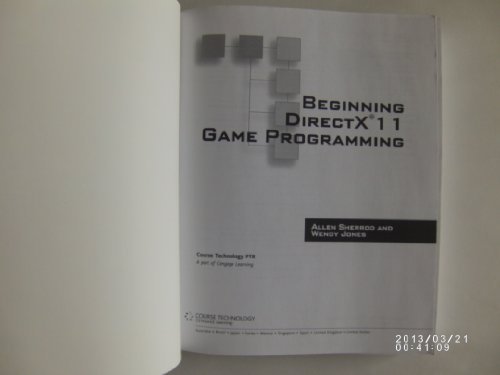
Beginning DirectX 11 Game Programming

This book focuses on DirectX 11, but it is still a smart pick if you love the best directx 10 games. Why? Because the graphics pipeline ideas carry over. You learn about shaders, buffers, and states that define how DX10-era games draw their worlds. If you’re curious about how Bioshock’s water shines or Far Cry 2’s shadows fall, this is a useful bridge.
I like it as a practical learning tool. It helps me understand how older effects were built, and how to tweak them with modern tools. That makes modding easier. It also makes it simpler to optimize settings so the best directx 10 games stay smooth on today’s systems.
Pros:
- Clear pipeline explanations that apply to DX10 and DX11
- Hands-on examples that build real graphics intuition
- Great for modders and curious players wanting deeper control
- Helps you troubleshoot shader or compatibility issues
- Improves your eye for lighting, shadows, and performance
Cons:
- Not focused on DirectX 10 alone
- Code samples may feel dated without minor tweaks
- Assumes some C++ and math basics
My Recommendation
If you want to really understand the “why” behind the best directx 10 games, start here. It’s ideal for PC tinkerers, modders, and anyone who tweaks INI files and ENB presets. The knowledge pays off when you chase smooth frames and better visuals.
| Best for | Why |
|---|---|
| Modders optimizing DX10 titles | Applies pipeline knowledge to old effects |
| PC builders who tune settings | Clear view of bottlenecks and fixes |
| Tech-minded gamers | Lifts the hood on shaders and rendering |
EVGA GeForce 8400 GS 1GB (DX10)

The EVGA 8400 GS is a tiny, low-power card that can still launch the best directx 10 games. Think older titles at low settings and 720p. It is perfect for an ultra-budget retro PC or a spare office rig you want to turn into a weekend nostalgia machine. Power draw is low, heat is low, and it fits in many small cases.
I use cards like this for light, casual runs of classics. It will not set records, but it gets you in. Drivers exist, though they are legacy. If you just want to revisit Bioshock or try World in Conflict on a shoestring, this card has a place.
Pros:
- Very low power needs; good for old power supplies
- Small form factor fits tight cases
- Quiet operation; often passive or low-RPM fans
- Launches many DX10-era titles at low settings
- Budget-friendly for a starter retro build
Cons:
- Limited performance for demanding DX10 games
- Legacy driver support; fewer updates on modern OS
- Not ideal for 1080p in heavy titles
My Recommendation
Pick the 8400 GS if you want a simple, cheap way to fire up the best directx 10 games. It shines in a living room PC or a thin client you repurpose. For light titles or low settings, it gets the job done without fuss.
| Best for | Why |
|---|---|
| Ultra-budget retro builds | Low power and low cost |
| Small form factor PCs | Short card; fits narrow cases |
| Light DX10 classics | Runs older games at 720p settings |
Mattel Phase 10 Card Game

PC sessions can go long. Phase 10 is my go-to cool-down game when I need a screen break. It is easy to teach, fast to play, and great for friends who just watched you benchmark the best directx 10 games. The set includes 108 cards, and the phased goals keep play tight and tense.
I like it for mixed groups. Gamers and non-gamers both pick it up fast. It is portable, durable, and sparks friendly rivalry. After a Crysis stress test, a quick Phase 10 round resets the room.
Pros:
- Simple rules with quick learning curve
- Portable for travel or LAN nights
- Fun for all ages; easy to include family
- Short rounds that fit between PC sessions
- Durable cards that hold up over time
Cons:
- Luck can swing outcomes
- Some phases feel repetitive after many plays
- Not for players seeking deep strategy
My Recommendation
If you host game nights around the best directx 10 games, keep Phase 10 nearby. It is ideal for quick breaks or winding down a session. The energy stays high, but the screens go off for a bit.
| Best for | Why |
|---|---|
| Post-benchmark breaks | Fast rounds to refresh eyes |
| Mixed-age groups | Simple rules, wide appeal |
| Travel or dorm life | Compact and sturdy set |
SAPPHIRE Radeon Pulse RX 5600 XT (6GB)
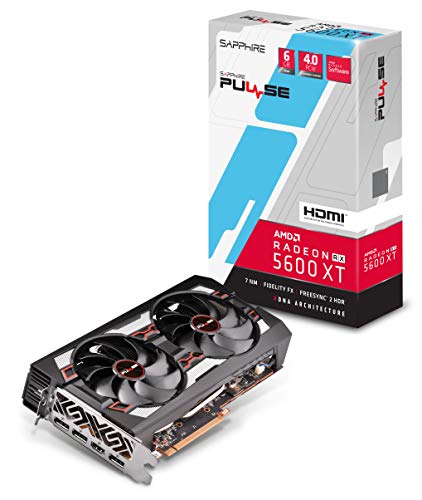
If you want a modern GPU that chews through the best directx 10 games, the RX 5600 XT is overkill in the best way. It runs cool, sips power for its class, and crushes older titles at 1080p or 1440p. It also supports the latest drivers on Windows 11. That means fewer headaches, more frames, and room for post-process mods.
I like using the RX 5600 XT as a “one-card-for-everything” pick. It runs modern games well and makes older engines sing. With six gigs of VRAM, it handles high-res textures and heavy AA. If you plan to replay Crysis with mods, this is a safe bet.
Pros:
- Strong 1080p/1440p performance on old and new titles
- Modern driver support for Windows 11
- Quiet and efficient for its power class
- Great headroom for mods and texture packs
- Reliable cooling and build quality
Cons:
- Overkill if you only play very light DX10 titles
- Prices can vary with stock and region
- Needs a decent power supply
My Recommendation
Choose the RX 5600 XT if you want to enjoy the best directx 10 games without compromise. It is also perfect if you plan to stream, mod, or multitask. You get smooth frames, clean drivers, and options for the future.
| Best for | Why |
|---|---|
| DX10 classics at 1440p | Plenty of headroom and VRAM |
| Mod-heavy replays | Handles ENBs, AA, and textures |
| Mixed modern + classic play | Strong all-around performance |
EVGA GeForce 9500 GT 512MB (DX10)

The EVGA 9500 GT is a step up from the 8400 GS. It handles more of the best directx 10 games at medium settings, especially at 720p. It’s fine for a retro Windows 7 or Windows 10 build. Think Company of Heroes or Mass Effect with dialed-in settings.
I suggest pairing it with a core duo or early quad CPU for a period-correct build. Keep expectations modest and focus on classics. Driver support is legacy, but setup is still simple if you follow guides. It’s a friendly GPU for a casual nostalgia box.
Pros:
- Better performance than entry-level DX10 cards
- Good match for 720p gaming
- Low power and simple cooling
- Runs many popular 2007–2009 titles
- Affordable for a hobby build
Cons:
- Legacy drivers; limited new OS features
- Struggles at 1080p in heavy games
- Older GDDR2 variants can bottleneck
My Recommendation
Use the 9500 GT for a balanced retro PC that plays the best directx 10 games on a budget. It’s a sweet spot for classics at modest settings. You keep the “look” of the era without breaking the bank.
| Best for | Why |
|---|---|
| 720p DX10 gaming | Solid medium settings performance |
| Retro Windows builds | Easy fit with legacy drivers |
| Budget hobby projects | Low-cost entry into classics |
EVGA GeForce 8400 GS 512MB (DX10)

This 512MB 8400 GS is an ultra-basic way to access DX10 compatibility. It’s fine for light titles and low-resolution play. If you mainly want to explore menus, test mods, or run older indie games, it will do. Think of it as a tool, not a trophy.
With legacy drivers, setup is simple if you follow a good guide. I keep a card like this as a backup when testing old hardware. It can still launch much of the best directx 10 games list, but expect low settings. The goal here is access, not luxury.
Pros:
- Cheap route to DX10 compatibility
- Fits tight cases and old systems
- Low heat and low noise
- Easy to source for retro builds
- Fine for light, older titles
Cons:
- Weak performance in heavy DX10 games
- Older memory type can limit textures
- Legacy driver track
My Recommendation
Grab the 512MB 8400 GS if you need a basic card to boot and run the best directx 10 games for testing or simple play. It’s not for high settings. It’s for starting your journey or keeping a backup rig alive.
| Best for | Why |
|---|---|
| Entry-level DX10 access | Very affordable and easy to install |
| Backup/test bench rigs | Reliable for quick compatibility checks |
| Light classic titles | Handles older, less demanding games |
XFX GeForce 9800 GT 512MB (DX10)

The 9800 GT was a legend for its time. It still plays a big slice of the best directx 10 games at 1080p with tuned settings. Crysis on medium, Far Cry 2 high at 1080p, and smooth World in Conflict—these are within reach. It also has better bandwidth than low-end cards, which helps with effects.
I like the 9800 GT for a “golden era” build. Pair it with a Core 2 Quad and 8GB of RAM, and you have a sweet spot for 2007–2010. Drivers are legacy, but the experience feels right. It brings back that classic PC feel.
Pros:
- Strong DX10 performance for its age
- Balanced for 1080p medium/high settings
- Good thermals with decent cooling
- Great match for period-correct builds
- Handles heavier effects than entry cards
Cons:
- Legacy driver support on modern OS
- Some models run hot without good airflow
- Used-market condition varies
My Recommendation
If you want the “real feel” of the best directx 10 games, the 9800 GT nails it. It hits a performance sweet spot while keeping that late-2000s vibe. Expect smooth play in most classics with smart settings.
| Best for | Why |
|---|---|
| 1080p DX10 classics | Enough muscle for medium/high presets |
| True retro builds | Era-accurate performance and features |
| Fans of heavy effects | Better bandwidth for shadows and AA |
GeForce 9600 GT 512MB (DX10)
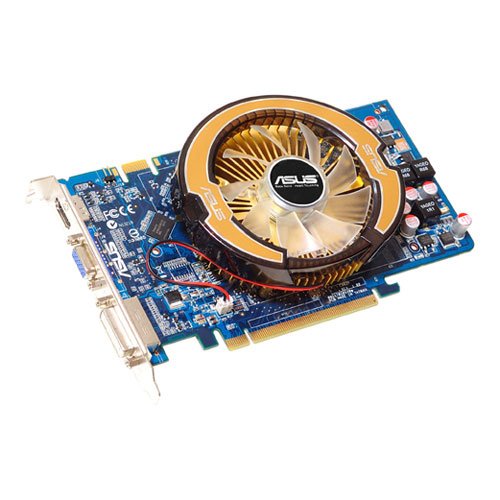
The 9600 GT is a classic mid-range card. It can run many of the best directx 10 games very well at 720p and respectably at 1080p with tuned presets. It hits that balance of cost, power use, and performance. Great for STALKER: Clear Sky, GRID, and Mass Effect.
For many, this feels like the most “honest” way to replay the era. It shows the games at their intended pace and look. Pair it with a dual or quad core CPU and you’re set. It’s a joy for those who remember the time.
Pros:
- Balanced performance for classic titles
- Reasonable power draw and heat
- Affordable and common on used markets
- Solid for 720p and decent at 1080p
- Good match for period CPUs
Cons:
- Legacy support; fewer modern features
- Not ideal for heavy modding at 1080p
- Condition varies with age
My Recommendation
The 9600 GT is the “everyman” pick for the best directx 10 games. It’s the card many people owned and loved. If you want that authentic mid-range feel, it is perfect.
| Best for | Why |
|---|---|
| Authentic mid-range builds | Period-correct power and thermals |
| 720p–1080p tuned play | Good results with smart presets |
| Fans of STALKER or GRID | Great balance for those engines |
Bamboozled Dice & Card Game

Bamboozled is a bluffing party game that keeps the laughs coming. I break it out between long PC sessions or while big downloads finish. The short rounds reset your focus so you can jump back into the best directx 10 games with fresh eyes. Plus, it’s easy to teach new friends.
The dice and cards add just enough luck. That keeps the mood light after tough boss fights or tricky stealth sections. The compact box tosses into a backpack. It’s a perfect sidekick for LAN nights.
Pros:
- Quick to learn and play
- Great for groups and parties
- Light, portable package
- Good reset between long gaming sessions
- Fun bluffing keeps players engaged
Cons:
- Less depth than strategy-heavy games
- Bluffing may not suit every group
- Some randomness can swing outcomes
My Recommendation
Keep Bamboozled in your game bag if you host LANs or retro nights featuring the best directx 10 games. It’s fun, fast, and sets the tone for a relaxed, social session. Great for keeping the energy up without a screen.
| Best for | Why |
|---|---|
| LAN night breaks | Short rounds and big laughs |
| Mixed groups | Easy rules and fast play |
| Travel | Compact and durable components |
I Know… You Don’t Strategy Card Game

This light strategy game scratches the itch when you want tactical fun without a monitor. It suits 3–7 players and runs in quick bursts. I pull it out when friends gather to watch me test the best directx 10 games, then we rotate in. The rules are simple but allow for clever plays.
Rounds fly by, so no one waits too long. It is also a great icebreaker with new groups. The compact box fits on a shelf beside your PC hardware. It pairs well with pizza and benchmarking.
Pros:
- Fast tactical fun for small or large groups
- Simple rules with clever choices
- Quick rounds that fit any schedule
- Nice break during long installs or updates
- Portable and easy to store
Cons:
- Light strategy; not deep like board epics
- Needs 3+ players to shine
- Some randomness can frustrate planners
My Recommendation
Use this as your social side game during a retro PC night focused on the best directx 10 games. It’s easy to teach, keeps everyone involved, and helps the night flow. Ideal for dorms, apartments, and LAN rooms.
| Best for | Why |
|---|---|
| Game nights with friends | Scales to 7 players easily |
| Quick breaks | Short, tactical rounds |
| New groups | Low learning curve |
FAQs Of best directx 10 games
What are the best DirectX 10 games to revisit in 2026?
Crysis, Bioshock, Far Cry 2, STALKER: Clear Sky, World in Conflict, and Company of Heroes stand out. They hold up with great art and strong design.
Can a modern Windows 11 PC run DirectX 10 titles?
Yes. Most run fine with current drivers. Use compatibility mode if needed. Avoid overlays that may cause hooks to fail.
Do I need a DirectX 10 GPU to play DX10 games?
No. Modern DX12 cards run them. A DX10 card is useful only for a period build or testing.
How can I improve performance in old DX10 games?
Cap frames, lower shadows, and use FXAA over MSAA. Update GPU drivers. Disable background apps.
Why do some DX10 games crash or show black screens?
Old DRM, overlay conflicts, or driver quirks. Verify files, disable overlays, and try windowed mode. Patch the game when possible.
Final Verdict: Which Should You Buy?
If you want a modern, painless path to the best directx 10 games, choose the SAPPHIRE RX 5600 XT. It’s smooth, quiet, and ready for mods.
For period-correct charm, the XFX 9800 GT or GeForce 9600 GT feels right. Add a quick card game for breaks, and you’ll enjoy the best directx 10 games in style.